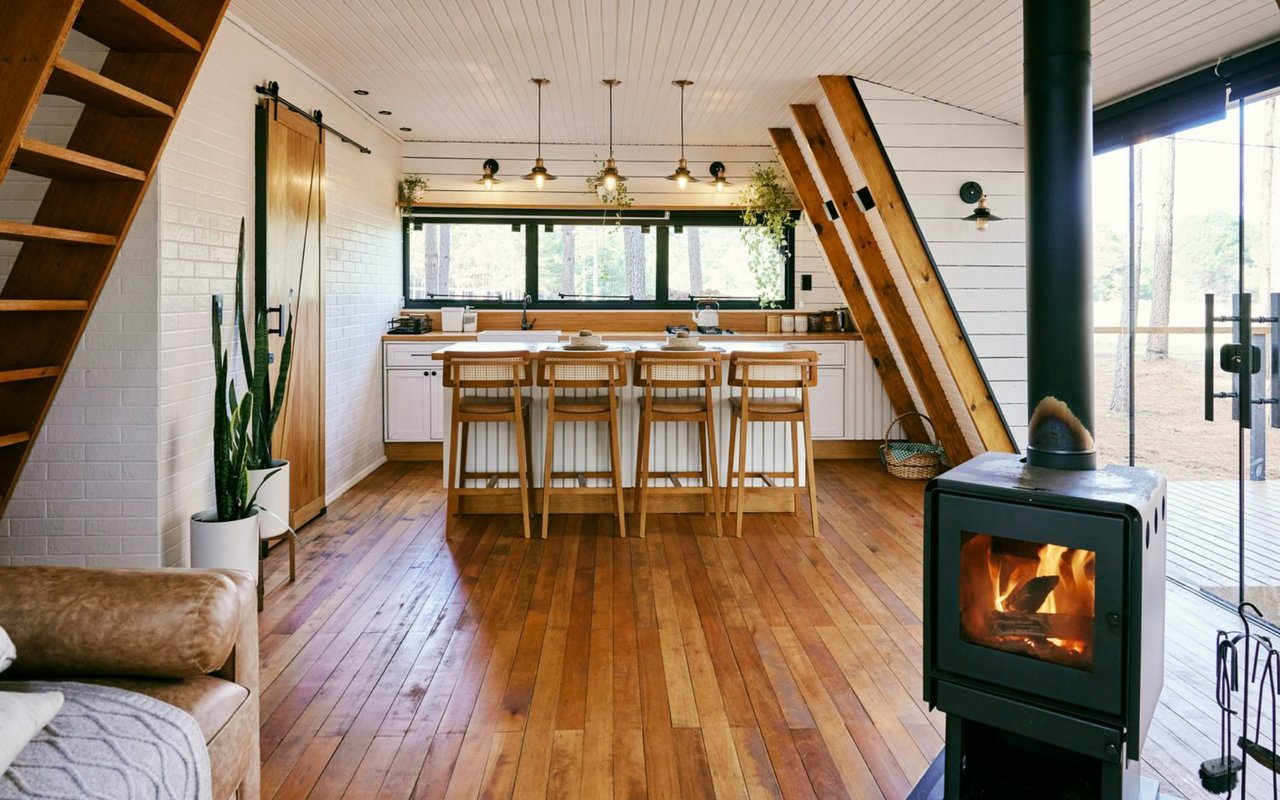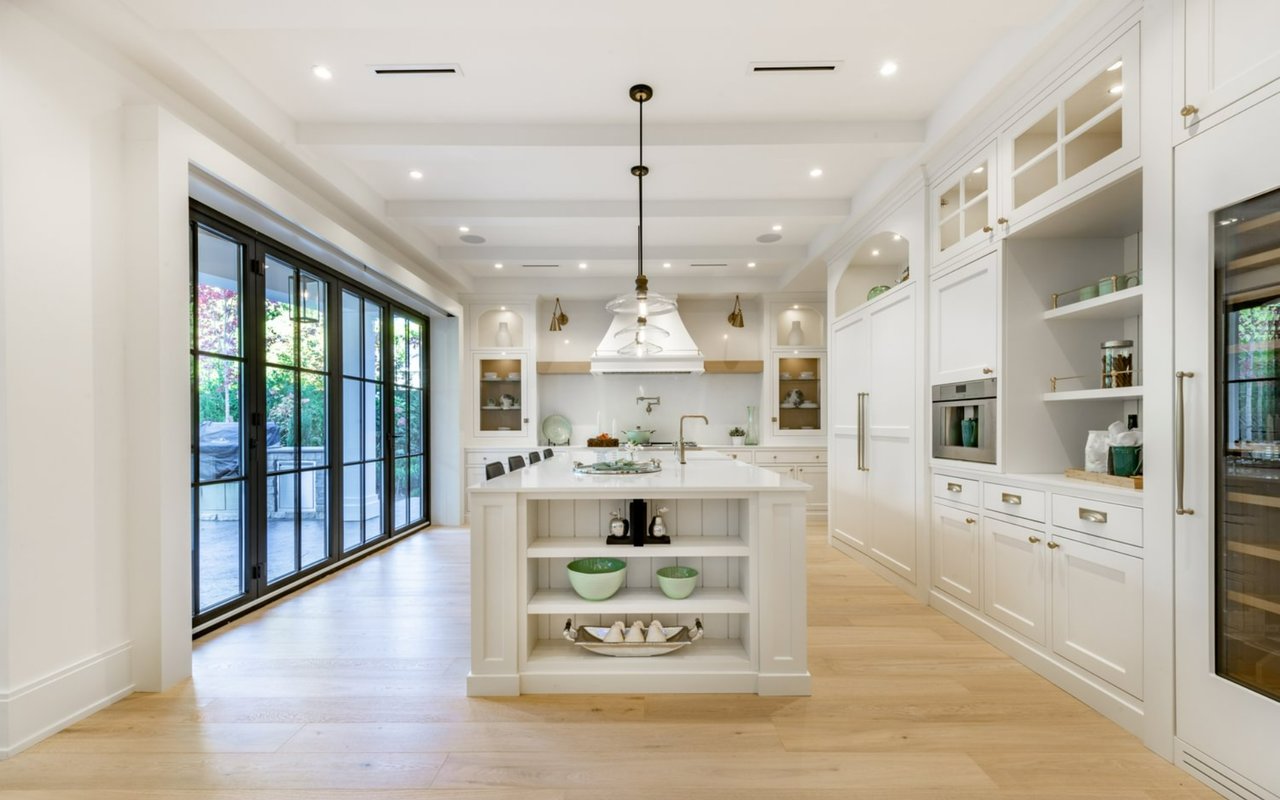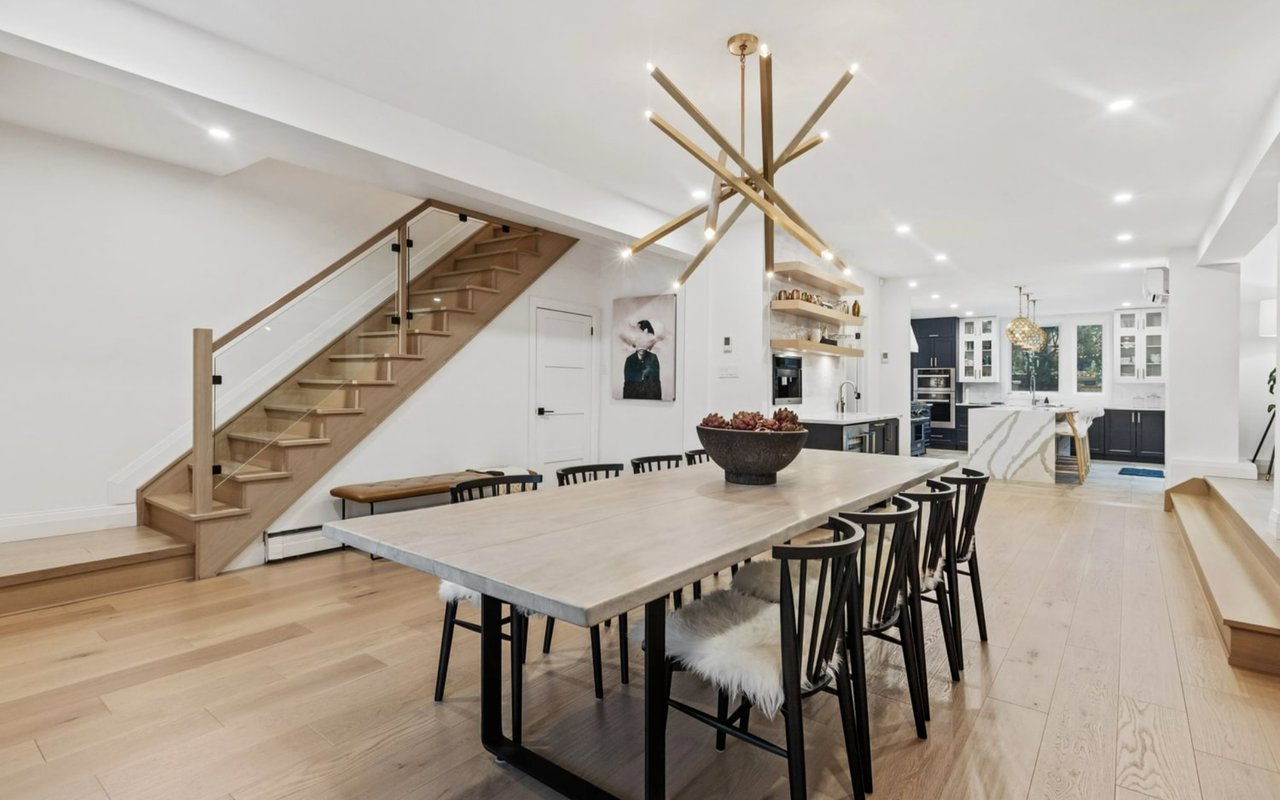
If you are comparing model homes and master-planned neighborhoods in Erie, you are not alone. The town between Denver and Boulder has become a hot spot for new construction, with choices that fit different budgets and lifestyles. This guide gives you a clear overview of the top communities, what you can buy, how HOAs and metro districts work, and a practical checklist to protect your timeline and budget. Let’s dive in.
Why Erie is drawing new builds
Erie sits in a prime location on the Boulder–Denver corridor and continues to welcome thoughtfully planned growth. The Town maintains active strategic plans that guide approvals and infrastructure timing, which helps buyers understand what is coming next in roads, parks, and services. You can review current planning resources on the Town’s strategic plans page at the Town of Erie website.
For context, local data placed Erie’s overall median sale price near $755,000 in late 2025. Prices vary widely by product type and phase. Builder base prices often sit below or above that figure depending on whether you choose a townhome, paired villa, or larger single-family home. Always confirm exact pricing and availability with the on-site sales office for the phase you are targeting.
New communities at a glance
Westerly
Westerly is a large, multi-phase master plan by Southern Land Company with trails, open space, and a prominent amenity hub called The Waypoint. Developer materials describe an approximately 800-acre vision with a range of home types delivered over time. Review the most current community details and amenity highlights on the Westerly page from Southern Land Company.
Colliers Hill
Colliers Hill on Erie’s south side is an established, actively selling community with multiple builders and a history of offerings that span from the mid-price bands into higher collections depending on product. Start with the builder overview on the Colliers Hill community site for current models and resources. Colliers Hill is also served by metropolitan district entities that publish budgets, meetings, and mill levies on the Colliers Hill Metro Districts website. Always verify taxes and assessments for the specific lot and phase you are considering.
Canyon Creek by KB Home
KB Home’s Canyon Creek features The Nest collections, which offer a useful snapshot of local sizes and starting points. Recent ranges include The Nest Classic around 1,417 to 2,546 square feet and The Nest Reserve around 1,829 to 2,657 square feet, with community pages showing starting prices in the low $500,000s to mid $600,000s as posted in March 2026. Check the KB Home Erie page for current floorplans, sizes, and posted starting prices for each collection.
Erie Highlands
Erie Highlands blends townhome and single-family pockets with community amenities that include parks and a clubhouse. Trumark’s townhome collection shows plans around 1,612 to 1,728 square feet, which reflects a common attached-home size band in Erie’s master plans. See the Trumark Homes Erie Highlands page for current models and details.
Flatiron Meadows and Rex Ranch
Closer to the Boulder side of Erie, Flatiron Meadows has included higher-end pockets such as Rex Ranch alongside offerings from large national builders. This area tends to feature larger or more upgraded collections in certain phases. Confirm current releases and finishes with the builder’s on-site team for the specific enclave you prefer.
Coming soon: NorthSkye and Toll Brothers at Erie Town Center
National builders continue to plan future phases in Erie. Lennar’s NorthSkye is a coming-soon master plan with an interest list now open. Toll Brothers has also announced single-family homes and three-story townhomes at Erie Town Center. Launch schedules can change, so monitor the Lennar NorthSkye page and the Toll Brothers announcement for model opening updates.
What you can buy: sizes, lots, and value
- Townhomes and attached products often range around 1,600 to 1,900 square feet in current Erie master plans, with some collections landing near the middle of that band.
- Production single-family homes, including ranch and two-story plans, commonly span about 1,400 to 3,200 plus square feet depending on the collection and whether basements are finished.
- Lot sizes vary by phase. Narrow-lot products can sit on lots around 0.05 to 0.10 acres, while established luxury pockets in Erie can offer larger lots. Across active listings, the townwide median lot size often centers near 0.15 acres. Verify the lot-by-lot size on the plat and MLS disclosure for any home you consider.
If you are comparing prices, remember that posted “starting prices” typically exclude lot premiums, design upgrades, and required solar costs in Colorado. Always ask for the builder’s current included-features sheet, the community map with lot premiums, and the solar program details in writing.
Amenities, HOAs, and metro districts
Amenity packages
Large Erie master plans lean into lifestyle. Expect clubhouses or amenity centers, pools, parks, playgrounds, and miles of trails. Westerly’s Waypoint center highlights this trend with a sizable indoor hub and resort-style pool. Ask the sales team which amenities are complete now and which are scheduled for later phases.
HOA fees and services
HOA dues vary widely by product and neighborhood. Many Erie homes have modest dues, while amenity-heavy communities or certain attached products can be higher. Request the latest HOA budget, reserve study if available, and a list of what the HOA maintains versus what remains the homeowner’s responsibility.
Metro districts in Colorado
Many new Erie neighborhoods are financed in part by a metropolitan district, which is a Title 32 special district that can issue bonds to build public infrastructure and is funded mainly through property taxes. You can review the legal framework in Colorado’s Title 32 statutes. Recent state reforms increased transparency and buyer disclosures, including mill levy caps and public websites for districts. See the SB21-262 bill page for a good overview of disclosure improvements.
A practical example is Colliers Hill, which is served by metro district entities that publish budgets, meetings, and mill levies online. When you evaluate a new build, ask for the district’s service plan, current mill levy, maximum mill levy, and outstanding debt schedule. Your total monthly carrying cost equals mortgage payment plus property taxes that include any metro district levy, plus HOA dues, insurance, and utilities.
Smart due diligence: your checklist
Before you sign
- Ask for the community fact sheet, the builder’s included-features sheet, and a current homesite map with lot premiums. Get these in writing. You can confirm plan options on the KB Home Erie page.
- Confirm whether the lot is inside a metro district. Obtain the district name, service plan, current mill levy, maximum mill levy, and the district’s outstanding debt schedule. Review the district website and recent meeting minutes when available.
- Read the builder’s purchase agreement carefully. Focus on deposit schedule and refundability, any price escalation or material cost clauses, timelines that are targets versus guarantees, dispute resolution, and what happens if the appraisal comes in low.
- Clarify design center allowances, change-order pricing and deadlines, and lead times for kitchens, tile, and appliances. Ask if delays in selections can change the completion date or add costs.
- Review lending options and builder incentives. You can use your own lender, but understand how incentives tie to preferred lenders. Ask how a low appraisal would be handled in an early phase with few closed comps.
During construction
- Schedule independent inspections at key stages, such as foundation, pre-drywall, and final walk. Municipal inspections do not replace an independent inspector working for you.
- Document blue-tape punch-list items in writing and understand the builder’s warranty claim process and timelines.
- Track amenity delivery if it influenced your purchase. Ask which amenities are complete at move-in, which are scheduled later, and whether any completion covenants apply.
Closing and after
- Get warranty details in writing. Many builders offer a short workmanship warranty with longer structural coverage. Keep the warranty documents and contacts handy.
- Verify how HOA dues and any metro district levy appear on your property tax bill. Your lender should include accurate tax and HOA estimates in your monthly payment calculations.
Timelines and expectations
Most production new builds complete in roughly 6 to 12 months from foundation to finish. Weather, supply chains, permitting, and labor can shift schedules, so build in a time buffer for your move-out and interest rate lock planning. Ask your builder for a range with milestone dates, not a single target day, and check how delays are addressed in your contract.
How we help you buy new in Erie
You deserve an experienced local advocate who knows Erie’s phases, metro districts, and builder processes. Our team helps you:
- Compare communities, collections, and lot positions so you pick the right fit.
- Cross-check base prices, lot premiums, and solar or upgrade costs for a true apples-to-apples budget.
- Interpret metro district service plans and mill levies to project total monthly costs.
- Negotiate incentives and coordinate independent inspections and walk-throughs.
- Track amenities, deadlines, and warranty steps through closing and beyond.
If you want a steady guide who knows the Boulder–Erie market and the new-build playbook, connect with The Patrick Dolan Team for a no-pressure consult.
FAQs
What are the main new construction communities in Erie?
- Notable options include Westerly, Colliers Hill, Canyon Creek by KB Home, Erie Highlands, and pockets in Flatiron Meadows, with NorthSkye and Toll Brothers at Erie Town Center planned.
How much do new homes in Erie cost in 2026?
- As posted in March 2026, select KB Home Canyon Creek collections list starting prices in the low $500,000s to mid $600,000s, while Erie’s overall median sale price in late 2025 was around $755,000. Prices change often and usually exclude lot premiums, upgrades, and required solar.
How do metro districts affect my property taxes in Erie?
- Metro districts levy property taxes to repay infrastructure bonds, which can raise the tax portion of your monthly payment. Ask for the district’s service plan, current and maximum mill levies, and debt schedule for your specific lot.
What sizes are common for Erie townhomes and single-family homes?
- Townhomes often range about 1,600 to 1,900 square feet. Production single-family homes commonly span about 1,400 to 3,200 plus square feet depending on collection and whether the basement is finished.
Will the community amenities be complete when I move in?
- Not always. Some amenities arrive in later phases. Ask which amenities are complete now, which are scheduled, and whether any completion covenants or timelines are documented in writing.