Selling a home in South Boulder can feel like a lot to manage, especially if you have owned your place for years and want to protect its value without turning the process into a second job. The good news is that stress usually comes from surprises, not from the sale itself. When you plan early, price with local discipline, and get your paperwork and presentation in order, you can make the process much smoother. Let’s dive in.
Know the South Boulder market
South Boulder is not a market where you can simply name a high price and expect buyers to sort it out. In March 2026, Realtor.com reported a median listing price of $995,000 in South Boulder, with 62 homes for sale and a median of 26 days on market.
That pace is faster than Boulder’s citywide median of 46 days on market, but the broader Boulder market was still described as balanced, with homes selling at 98% of list price on average. For you, that means buyers are active, but they are also paying attention to condition, pricing, and how your home compares to nearby options.
Start earlier than feels necessary
If you want a less stressful sale, give yourself more runway than you think you need. Zillow’s 2025 seller research found that the typical seller spent 3 to less than 4 months seriously thinking about selling before listing.
That timeline matters in South Boulder. Many homes in areas such as Martin Acres and Table Mesa North and South were built mainly in the 1950s and 1960s, according to City of Boulder planning and historic materials. Older homes often need more decision-making up front, even when they do not need major work.
A strong early plan can help you avoid rushed choices about repairs, pricing, staging, and move timing. It also gives you time to gather records and address issues before a buyer turns them into a negotiation point.
Focus on the issues buyers notice first
South Boulder’s housing stock often competes on layout, upkeep, and renovation quality more than on brand-new construction. That is not a negative. It simply means buyers will look closely at how well the home has been maintained and how clearly the listing helps them understand the property.
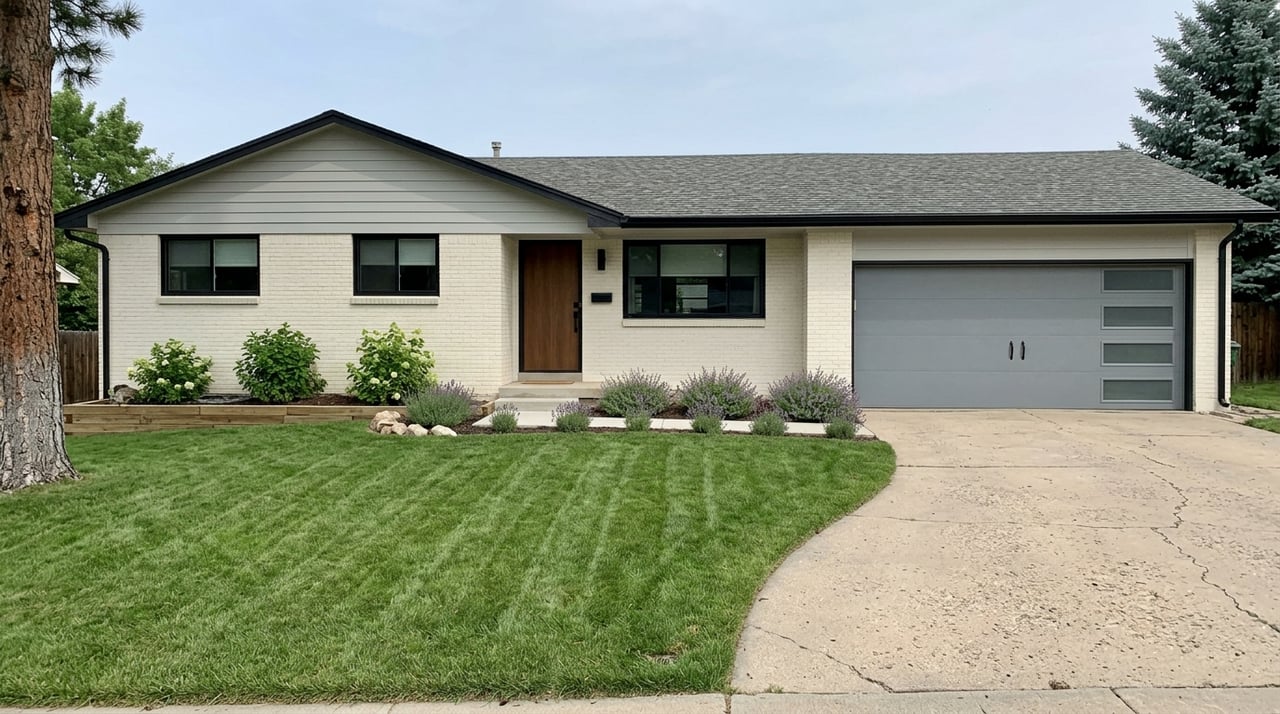
Start with the basics Zillow recommends for sellers: declutter, depersonalize, stage, improve curb appeal, and then market the home with strong online visuals. This order helps you make practical decisions instead of jumping into random projects.
For many South Boulder homes, a smart prep list may include:
- Roof and gutter review
- Window and caulking check
- Yard drainage and water diversion review
- Attic or crawlspace access cleanup
- Trim, paint, and deferred maintenance touch-ups
- Landscaping cleanup around mature trees and foundation areas
These items matter because buyers often notice signs of maintenance right away, and inspectors usually do too.
Consider a pre-listing inspection
One of the best ways to reduce stress is to learn what a buyer is likely to discover before your home hits the market. Zillow’s inspection-prep guidance says a pre-inspection can give sellers a heads-up on likely issues and help save stress.
That matters because inspection problems can derail deals. Zillow notes that 23% of buyer offers that fall through are tied to a failed inspection, and its 2025 seller report found that sellers most often said deals fell apart because of financing or mortgage issues (39%), appraisal issues (28%), and inspection issues (21%).
A pre-listing inspection does not mean you have to fix everything. It gives you time to decide what to repair, what to document, and what to reflect in your price and strategy.
Price to South Boulder, not just Boulder
One of the most common mistakes sellers make is looking at Boulder headlines instead of South Boulder realities. Realtor.com data showed that neighborhood medians vary meaningfully within the city, and South Boulder’s market moved on its own rhythm.
That is why pricing should start with South Boulder comparables first, then be checked against broader Boulder trends. A home in Martin Acres or Table Mesa should be evaluated against nearby sales with similar age, layout, lot utility, condition, and update level.
This is especially important in a balanced market. If buyers see your home as overpriced compared with nearby options, you can lose momentum early. A disciplined pricing strategy often creates less stress than chasing the market with later reductions.
Make your online presentation do the heavy lifting
Most buyers will meet your home online before they ever step inside. Zillow’s buyer research says 95% of buyers looked online while searching for the home they eventually purchased.
The same research found that the most important listing features were:
- Floor plans (33%)
- High-resolution photos (26%)
- 3D or virtual tours (20%)
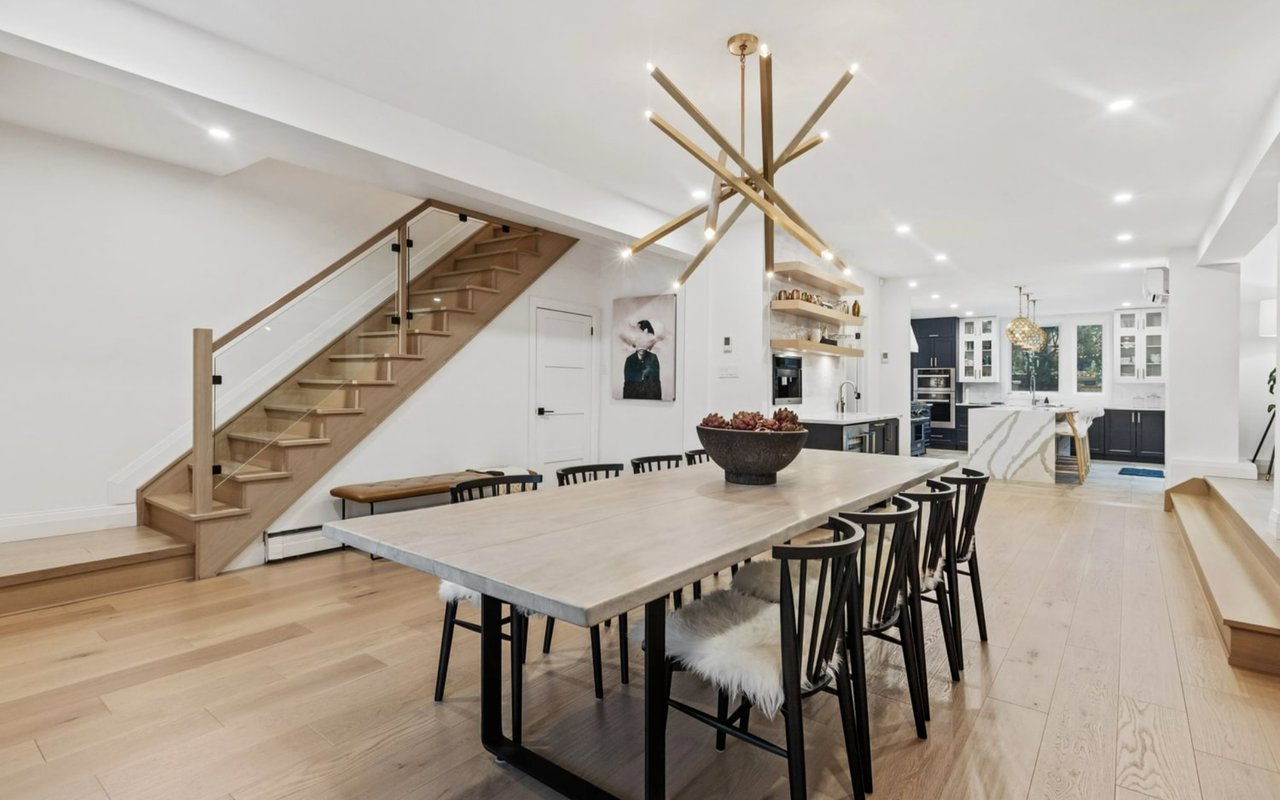
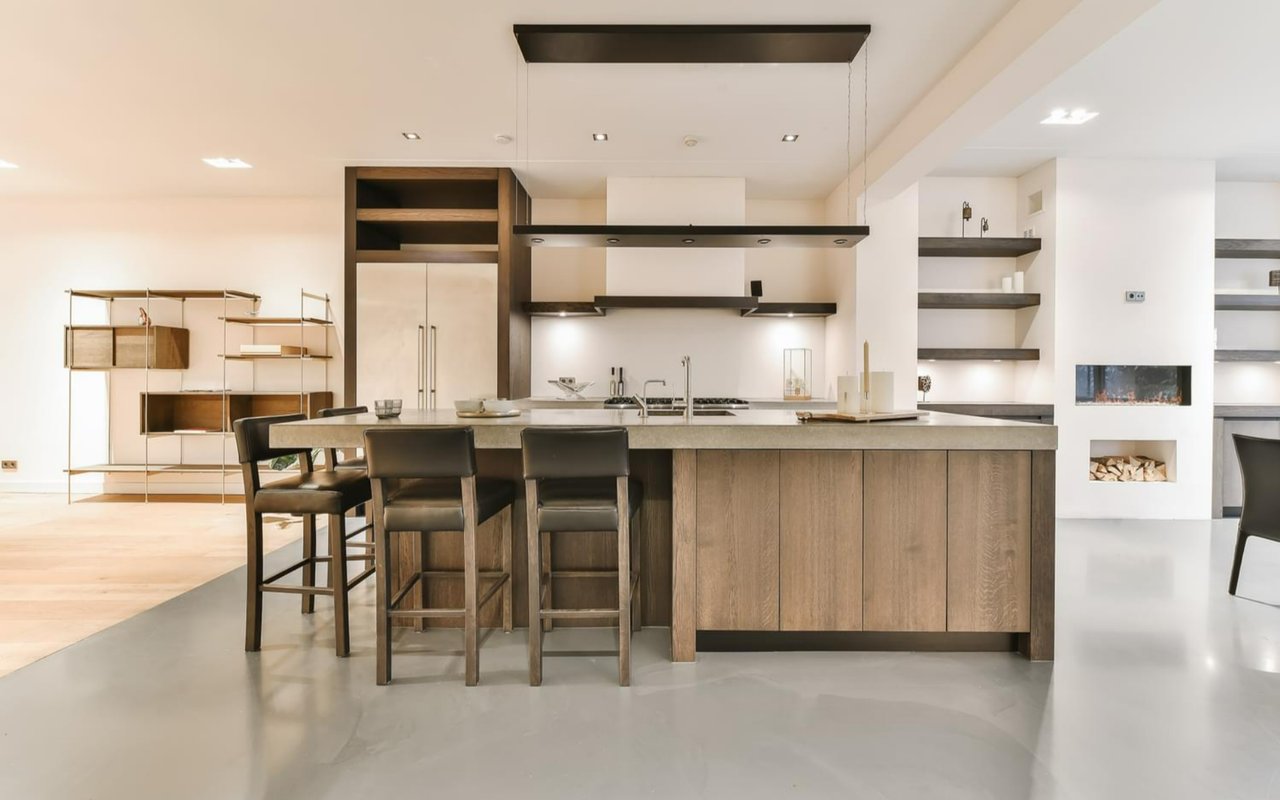
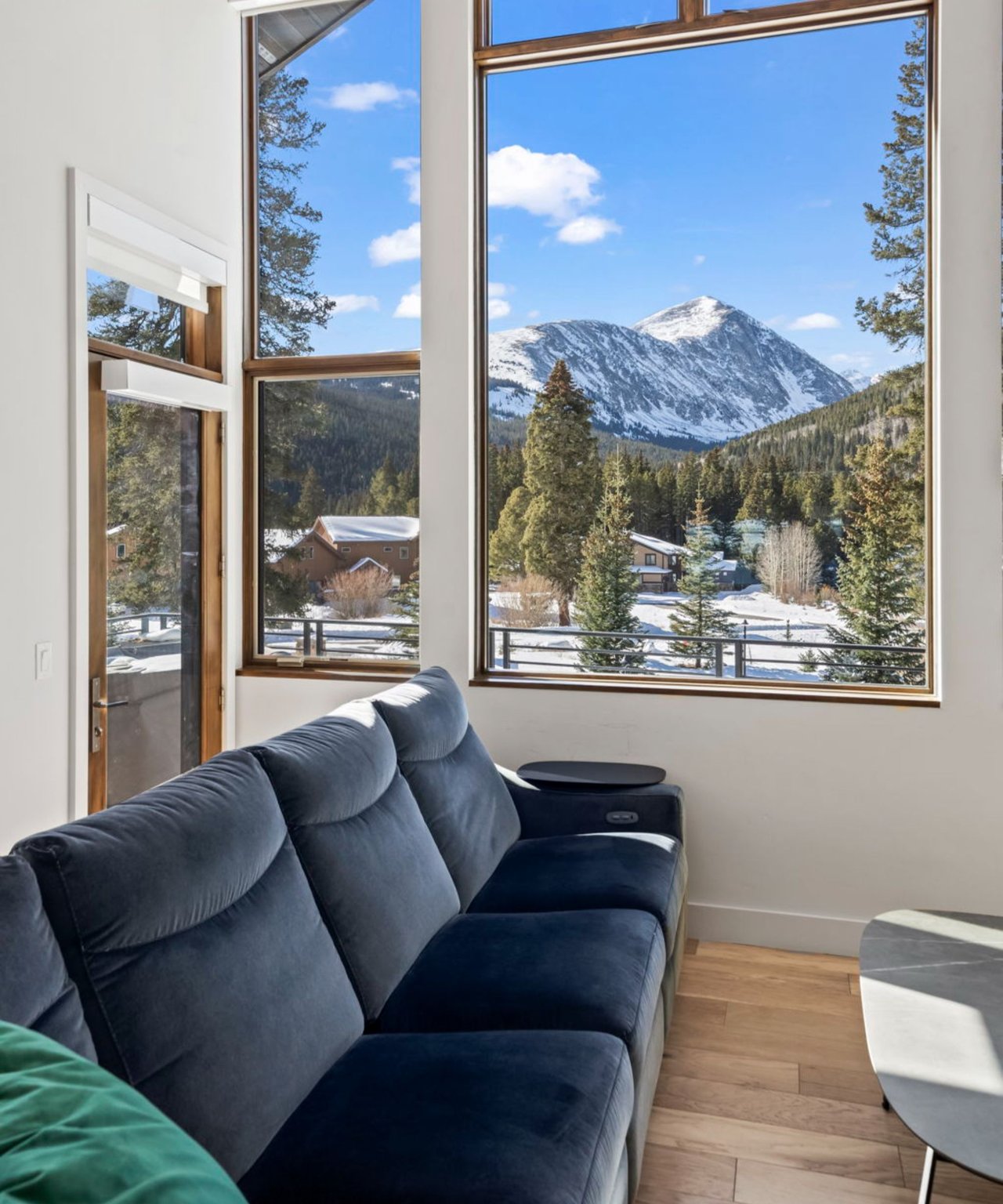
That is especially relevant in South Boulder, where buyers often want to understand the layout, the flow between living spaces, and how the home connects to the yard or surrounding setting. If your property has a ranch layout, split-level design, mountain views, open-space access, or a strong indoor-outdoor setup, your marketing should show that clearly from the start.
For sellers, this is where professional marketing can reduce stress in a very real way. Better visuals and stronger presentation help buyers pre-qualify themselves emotionally and practically before they schedule a showing.
Highlight the lifestyle buyers want
South Boulder offers location advantages that buyers tend to notice quickly. City materials note that Boulder has more than 45,000 acres of open space and more than 150 miles of hiking trails, and South Boulder benefits from access to parks, trailheads, transit, Table Mesa retail, and major nearby employers such as NIST and NCAR.
The NCAR trailhead at 1850 Table Mesa Dr is also identified by the city as a high-usage access point to multiple trails. If your home offers convenient access to open space, views, trailheads, shopping, or everyday services, those details are worth emphasizing because they are part of the property’s value.
The key is to stay factual and specific. Instead of broad hype, focus on the real lifestyle advantages your location provides.
Gather disclosures and documents early
A low-stress sale usually comes down to preparation behind the scenes. Colorado’s Seller’s Property Disclosure (Residential) form, with a mandatory use date of January 1, 2026, is based on your current actual knowledge. The form is completed by the seller, not the broker, and it should be updated if you later discover new adverse material facts.
This is one more reason to start early. You do not want to be searching for old roof invoices, permit records, drainage documents, or HOA information after your home is already under contract.
Useful documents to gather before listing may include:
- HOA or common-interest-community documents, if applicable
- Records of special assessments or metro district information, if applicable
- Permit records for improvements
- Roof repair or replacement records
- Water or drainage paperwork
- Insurance claim history
- Prior inspection, engineering, or contractor reports
- Information about easements, encroachments, grading, or flood history
Having this information organized can reduce delays and help prevent late-stage renegotiation.
Check radon and floodplain questions early
Some issues are too important to leave until the last minute. The Colorado Department of Public Health and Environment says radon is the leading cause of lung cancer among non-smokers in the United States and is responsible for about 500 lung cancer deaths annually in Colorado. The state also provides a required radon-and-real-estate brochure for Colorado transactions.
Floodplain status is another early item to check in South Boulder. The city’s South Boulder Creek flood-mitigation project says there are an estimated 600 structures and 3,500 people in the South Boulder Creek floodplain within city limits, and the city’s floodplain maps are the official way to confirm whether a property is in a flood-prone area.
Neither issue automatically stops a sale. The real stress comes when they surface late. If you identify them early, you have more time to prepare documentation, answer buyer questions clearly, and set expectations.
Build a calm selling plan
If your goal is to sell your South Boulder home with less stress, a simple plan usually works best. The strongest approach is to handle the predictable issues before they become urgent.
A practical sequence looks like this:
- Decide on your likely timeline.
- Review your home’s likely condition and maintenance items.
- Consider a pre-listing inspection.
- Gather disclosure documents and property records.
- Check radon and floodplain questions early.
- Prepare the home for photos and showings.
- Price against South Boulder comparables.
- Launch with strong visuals and clear lifestyle messaging.
This kind of structure can help you move forward with fewer surprises and more confidence.
Selling in South Boulder is rarely about flashy tactics. It is usually about local knowledge, careful preparation, and clear communication from start to finish. If you want a thoughtful plan for your timeline, pricing, and pre-listing strategy, connect with Patrick Dolan for experienced Boulder guidance.
FAQs
How long does it usually take to sell a South Boulder home?
- In March 2026, South Boulder had a median of 26 days on market according to Realtor.com, though actual timing depends on price, condition, and presentation.
What should South Boulder sellers fix before listing a home?
- Focus first on visible maintenance and inspection-related items such as roofing, gutters, windows, caulking, drainage, and general upkeep, then improve presentation through decluttering, staging, and curb appeal.
Why does pricing a South Boulder home require neighborhood-specific comps?
- South Boulder’s median listing price and market pace differ from other parts of Boulder, so pricing against nearby comparable homes usually gives a more accurate strategy than relying on citywide numbers alone.
What disclosures matter when selling a home in South Boulder, Colorado?
- Colorado sellers should complete the current Seller’s Property Disclosure based on their actual knowledge and gather supporting records related to items such as HOA status, permits, drainage, flood history, easements, and prior reports.
Should sellers in South Boulder check radon and floodplain status before listing?
- Yes. Radon and floodplain questions are smart early due-diligence items in Boulder because they can affect buyer questions, documentation, and timing if discovered late in the process.