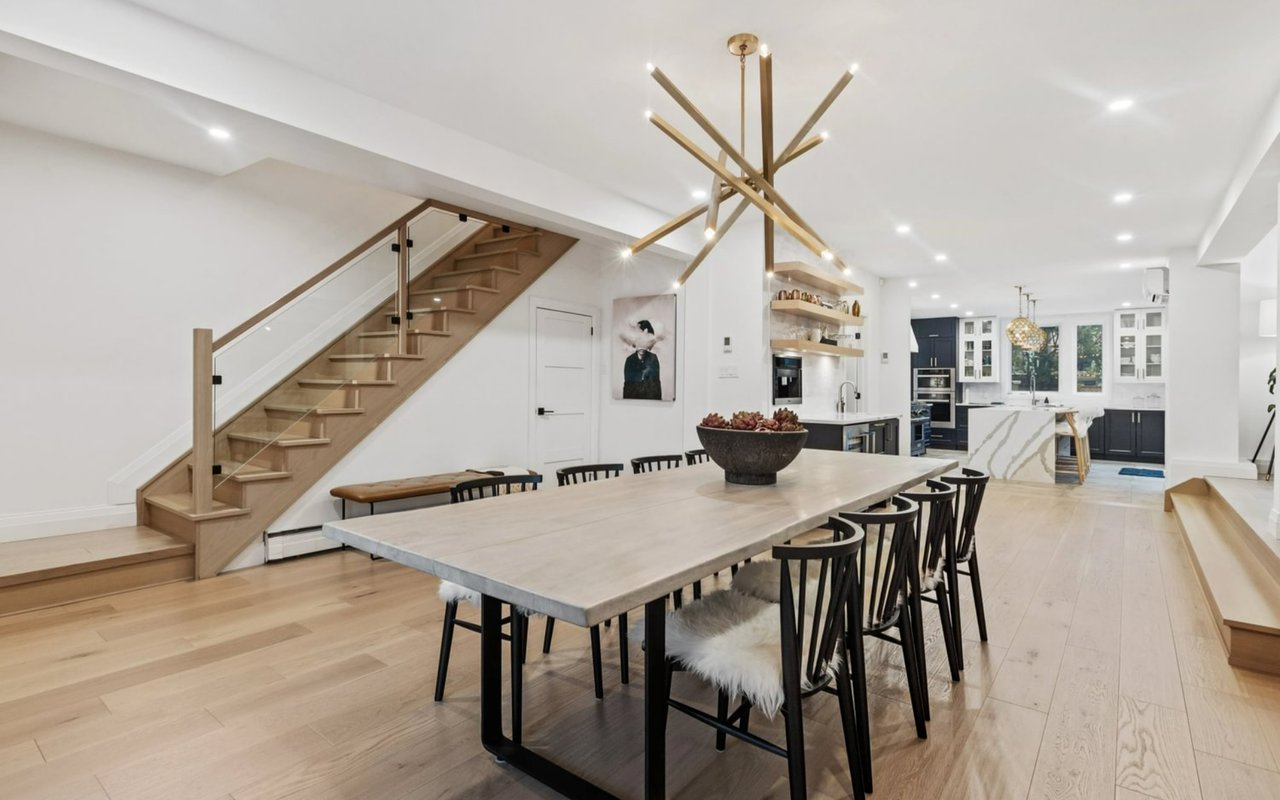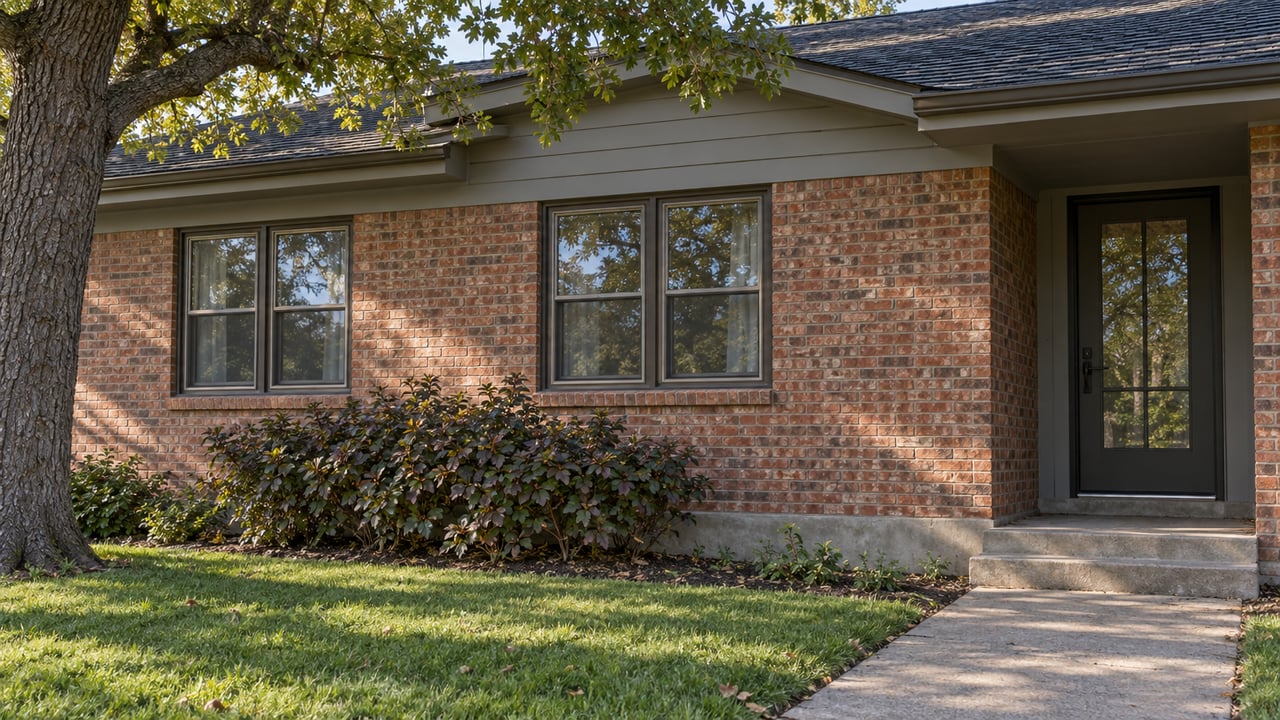
Buyers touring Old Town Louisville hear the word "historic" attached to nearly every listing, and most treat it as marketing language, the kind of adjective real estate copy reaches for out of habit. In this neighborhood it isn't just an adjective. If the house in front of you went up in 1955 or earlier, the City of Louisville's demolition review process applies to certain renovations whether or not anyone ever files paperwork to call the house a landmark.
That single fact changes the conversation for anyone shopping a fixer-upper between Main Street and South Boulder Road. The rule isn't about a plaque on the porch. It's about the year stamped on the county assessor's record and the scope of what a buyer plans to do once the keys change hands.
The Threshold Nobody Puts in the Listing
Louisville's demolition review requirement is triggered by two things working together: the construction date and the extent of the work. Per the city's planning department, review is required if a structure was built in or before 1955 and a project either removes elements from the street-facing side of the building or alters more than half the structure. A rear addition that leaves the front facade untouched might clear that bar without triggering a review. Pull the original windows and porch off the front of that same house to modernize the look, and the project lands in front of city staff, and potentially the Historic Preservation Commission, before a permit gets approved.
That distinction matters because Old Town's housing stock isn't uniform. Individual listings in the neighborhood have shown build years of 1900, 1906, and 1924, sitting on the same blocks as houses finished decades later. A buyer comparing two similarly priced homes on the same street could be looking at one property that clears the 1955 line easily and another that doesn't, and the listing sheet won't flag the difference. A relocator moving in from out of state, weighing a quick renovation timeline against a work start date, has no way to know which house they've bought until someone checks the year.
Landmarking Is Optional. The Review Isn't.
Louisville's landmark program is voluntary. A homeowner can apply to add a structure to the Louisville Register of Historic Places, and the city currently recognizes more than 69 local landmarks under that program. Landmarking comes with real upside: an alteration certificate process rather than a blanket ban on changes, access to zoning bulk incentives in the Old Town Overlay district that let a landmarked property build bigger than the standard envelope allows, and eligibility for grants and loans funded by the city's dedicated Historic Preservation Sales Tax.
The asymmetry is what catches buyers off guard. Someone who skips landmarking assumes they've avoided the whole conversation. They haven't. If the house was built in 1955 or earlier, the demolition review requirement still applies to qualifying projects, landmark status or not. What that buyer has actually opted out of is the incentive side of the equation, not the review side. They keep the obligation and give up the upside that would have come with formal designation.
The Price Range Doesn't Predict the Rule
Old Town listings have ranged from roughly $450,000 for smaller homes near 700 square feet up to just under $3 million for larger properties pushing 6,800 square feet, on streets like Garfield Avenue, Grant Avenue, South Street, and Jefferson Avenue. A buyer might assume the demolition review question only applies to modest cottages that look obviously old, or only to grand houses worth protecting. Neither assumption holds. The trigger is the construction date and the scope of the project, not the price tag or the square footage. A renovation on a $2.3 million property and one on a $500,000 property face the identical test if the house was built before 1956.
The Rules Are Being Rewritten While You're Shopping
None of this is fixed in place. The city has been running an Old Town Zoning Update process aimed at evaluating, and potentially rewriting, the regulations that govern this specific neighborhood. A Community Character Survey has closed, a diagnostic report on the results has been presented, including at a Historic Preservation Commission meeting, and the process still has a code rewrite phase ahead of it before any new rules reach adoption. The city hasn't published what that rewrite will ultimately change. What's public so far is the diagnostic phase and the fact that a rewrite is still to come.
That timeline matters for anyone closing this fall. The demolition review threshold, the bulk incentives tied to landmarking, and the design guidelines that apply to Old Town today are the current rules, not necessarily the rules that will govern a renovation planned for two or three years out. A buyer purchasing with a specific project in mind, an addition, a garage conversion, a second story, should treat today's regulations as a snapshot rather than a fixed target.
Questions Worth Asking Before You Assume Anything
A few questions are worth raising with the city's planning department, not just a contractor, before writing an offer on an older Old Town property:
- What year does the county assessor's record show for this structure, and does it fall in or before 1955?
- Would the specific renovation planned, whether an addition, a facade change, or a partial teardown, meet the threshold for demolition review under the current code?
- If landmarking is on the table, what would the zoning bulk incentive actually allow on this lot, and is the Historic Preservation Sales Tax fund a realistic source for the scope of work planned?
- Where does the Old Town Zoning Update process currently stand, and could the code rewrite phase change any of these answers before the project gets permitted?
None of these questions show up on a standard inspection checklist. They live with Louisville's planning staff and the Historic Preservation Commission, and the answers can shift a renovation budget by a meaningful margin if a project turns out to need design review it wasn't planned for.
A Few Questions About the Process
Does every old house in Old Town automatically require a demolition review? No. The requirement only applies once a project meets the scope threshold, removing street-facing elements or altering more than half the structure, on a building constructed in or before 1955.
Can a new owner landmark a house after closing, rather than before? Yes. Landmarking is a voluntary process available to an owner at any point, not something that has to happen before or during a purchase.
Does the zoning bulk incentive apply to any old home, or only landmarked ones? Only landmarked properties gain access to the larger building envelope allowed under the Old Town Overlay's incentive provisions. A non-landmarked pre-1955 home still faces the demolition review requirement without that added flexibility.
If you're looking at a fixer-upper in Old Town Louisville and want to know whether your renovation plans would trip the city's demolition review before you write an offer, the Patrick Dolan Team has spent enough years on these blocks to help you ask the right question at the right desk before the inspection period runs out.