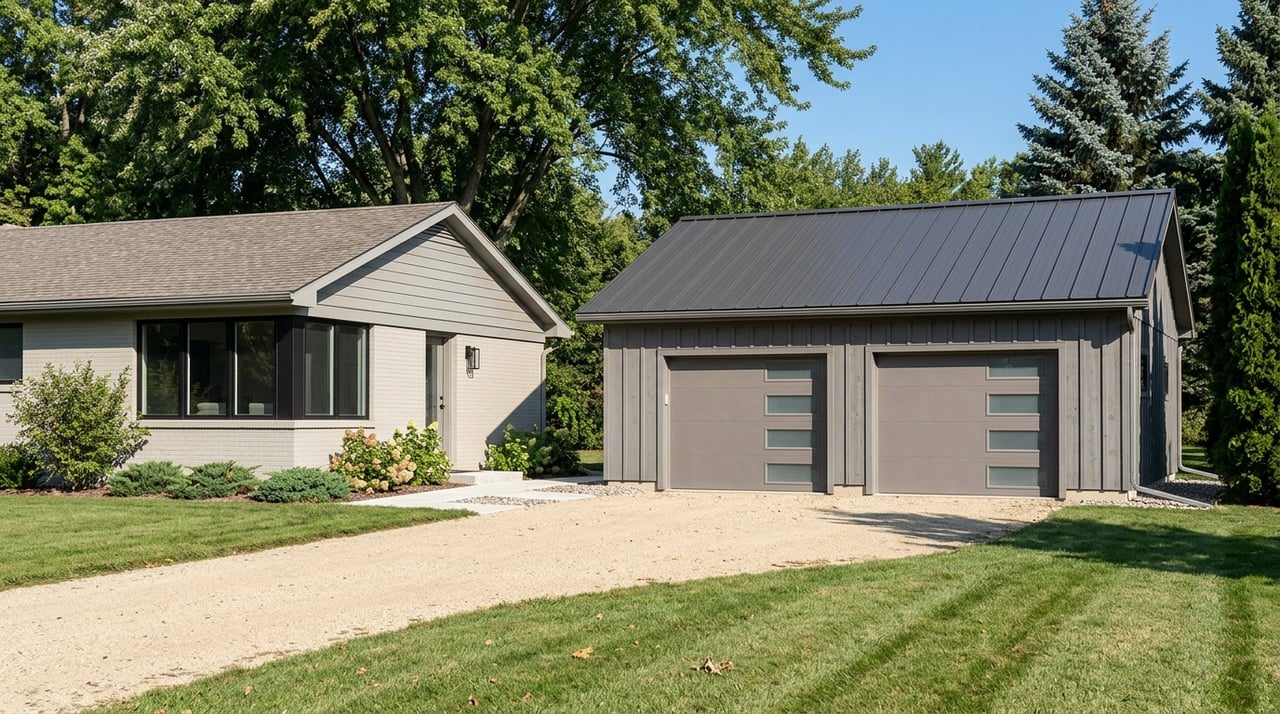
Dreaming about a little more elbow room near Boulder without giving up access to town? Small-acreage living near Niwot can offer that balance, with a semi-rural setting, quick access to both Boulder and Longmont, and the kind of flexibility many buyers want. At the same time, these properties usually come with more owner responsibility than a typical in-town home. If you are considering buying or selling small acreage near Niwot, this guide will help you understand the key issues to watch. Let’s dive in.
Why small acreage near Niwot stands out
Niwot is an unincorporated Boulder County community located northeast of Boulder and south of Longmont along Highway 119. According to Boulder County’s unincorporated towns page, it is about nine miles from Boulder, about seven miles from Longmont, and has a population of 4,160.
That location is a big part of the appeal. You can enjoy a county-described semi-rural feel while staying close to daily conveniences, regional employers, and the broader Boulder County lifestyle. For many buyers, that mix is exactly what makes small acreage near Niwot so attractive.
Unincorporated county rules matter
One of the first things to understand is that Niwot is unincorporated. That means Boulder County, rather than a city government, is typically the main authority for land use, permitting, setbacks, septic review, zoning, and code compliance on these properties.
In practical terms, a small-acreage home near Niwot may look straightforward when you first tour it, but the real questions often start with county records. Before you assume you can add a shed, convert a barn, expand a garden area, or change how an outbuilding is used, it is smart to confirm what county rules allow.
If you are not sure whether a property is actually in unincorporated Boulder County or within another boundary, Boulder County offers a property search resource through its unincorporated towns information. That is often a helpful first step in your due diligence.
Water and wells are often the biggest issue
For many small-acreage properties near Niwot, water is the most important due-diligence item. Colorado follows the prior appropriation system, often described as “first in time, first in right,” and the Colorado Division of Water Resources explains that senior rights must be satisfied before junior rights in the same stream system.
The key takeaway for buyers is simple: do not assume the land automatically comes with usable water rights. Colorado law recognizes that a water right can exist separately from the land itself, which means the deed, title documents, and permit records all matter in a real estate transaction. You can review this framework in the Colorado legislative materials on water rights.
What to check in a well permit file
If a property relies on a private well, the well permit file is a core document. The Division of Water Resources well permitting page notes that a permit file may include the allowable uses of the well, the original application, and available construction or pump-installation records.
That matters because not every well allows the same uses. A buyer who wants to irrigate lawn and garden space, keep domestic animals, or support another use beyond ordinary household needs should make sure those plans match what the permit allows.
When augmentation plans may come up
This is where small acreage can get more layered than expected. The state notes that if wells will be used for lawn and garden uses, domestic animals, subdivisions, or certain other projects, an augmentation plan may be required in many parts of Colorado.
You do not need to become a water-law expert before buying. But you do want to know early whether your intended use is simple and permitted, or whether it may require more review than you first expected.
Private well testing is your responsibility
Another important point is water quality. According to Boulder County Public Health, private well water is not regulated, treated, or monitored by public health officials. The owner is responsible for water safety, and the county recommends routine testing, including annual testing after an initial baseline.
For buyers, that means private-well ownership comes with an ongoing maintenance mindset. For sellers, clear records on testing and system information can help reduce uncertainty during the transaction.
Septic systems can shape the sale
On small acreage near Niwot, septic is often just as important as the house itself. Boulder County Public Health reviews and approves onsite wastewater treatment systems, also called OWTS, to help protect water quality.
For property transfers, the county states that dwellings and other structures with plumbing must have an adequately operating and approved septic system for the accurate number of bedrooms or daily flow at the time of sale, or there must be a written agreement to complete needed repairs within one year. You can review the current requirements on the county’s OWTS property transfer page.
Why septic paperwork matters early
The county also notes that an inspection may be required if any part of the OWTS is more than five years old. This is one reason septic records should be reviewed early, not at the last minute.
If you are buying, you want to know whether the system is approved, operating properly, and sized for the current use. If you are selling, having this documentation organized early can make the process smoother and reduce avoidable surprises.
Remodel plans can trigger review
Small-acreage buyers are often drawn to flexibility. You may be thinking about adding a bedroom, creating a studio in a detached structure, or converting part of a barn or garage into usable finished space.
Those plans can affect septic review. Boulder County’s OWTS change-in-use policy can be triggered by adding bedrooms, adding a convenience bathroom to a studio, garage, or barn, or changing a home into a business use. In other words, a future improvement plan should be evaluated alongside the current septic approval, not after closing.
Boulder County also notes that OWTS regulations are being updated in 2026 on its broader SepticSmart resources page. That is a good reminder to verify current county guidance during your transaction.
Outbuildings are not always simple
One reason buyers love small acreage is the possibility of extra structures like sheds, greenhouses, workshops, or coops. Boulder County does allow certain one-story detached accessory structures without a building permit, but only under specific limits.
According to the county’s building permit requirements guide, exempt structures must be 120 square feet or smaller, no more than 12 feet tall, have no utilities, and comply with land-use approvals and conservation easements. The number of exempt detached structures also depends on parcel size.
When a simple project stops being exempt
A small shed or greenhouse may fit the exemption. But if you add electricity, plumbing, a larger footprint, or place it in a location that conflicts with county rules, the project may move into permit territory.
That is why it helps to think beyond the structure itself. On small acreage, details like utility connections, placement, and intended use can matter just as much as the building size.
Wildfire mitigation is part of ownership
In unincorporated Boulder County, wildfire mitigation is another real consideration. Boulder County requires wildfire mitigation for new buildings, additions, alterations, and repairs in unincorporated areas, and the county’s wildfire mitigation code requirements explain that accessory structures over 120 square feet, or structures closer than 50 feet to habitable buildings, may trigger defensible-space requirements.
For buyers, this is part of understanding the true scope of ownership. For sellers, it is another reason buyers may ask detailed questions about site conditions, improvements, and county compliance.
County oversight goes beyond the house
Small-acreage living can feel more independent, but it is not unregulated. Boulder County’s land use code enforcement page notes that code enforcement in unincorporated areas can involve building code, zoning, noxious weeds, and rubbish.
That does not mean ownership is burdensome. It simply means that semi-rural property ownership near Niwot often requires a more hands-on approach than a standard suburban lot. Knowing that upfront can help you buy with confidence and sell with better preparation.
What buyers should ask first
If you are considering a small-acreage property near Niwot, start with a few core questions:
- Is the property in unincorporated Boulder County?
- What does the well permit allow?
- Do any water rights convey with the property?
- Is the septic system approved for the current bedroom count and use?
- Would any future plan for an outbuilding, studio, or remodel trigger county review?
- Could wildfire mitigation requirements apply to planned improvements?
These questions do not make small-acreage living less appealing. They simply help you understand the tradeoff: more space and flexibility, paired with more responsibility for water, wastewater, and site improvements.
What sellers can do before listing
If you own small acreage near Niwot and may sell, preparation matters. Buyers are often excited about the lifestyle, but they also want clarity.
A strong pre-listing checklist may include:
- Gathering well permit and water-related documents
- Confirming what, if any, water rights convey
- Organizing septic approvals, inspections, and repair records
- Reviewing any changes made to outbuildings or site improvements
- Checking whether past projects required permits or mitigation
When this information is ready early, your property is easier to understand and easier to market. That can help reduce friction once a buyer starts asking the right questions.
Why guidance matters on Niwot acreage
Living on small acreage near Niwot offers a unique mix of semi-rural character and convenient access to Boulder and Longmont. That balance is a big reason these properties continue to attract attention.
The opportunity is real, but so is the need for careful due diligence. When you understand how county governance, well permits, water rights, septic systems, outbuildings, and wildfire mitigation all fit together, you are in a much stronger position to make a smart move.
If you are thinking about buying or selling small acreage near Niwot, working with a team that understands Boulder County property details can make the process clearer and less stressful. Connect with The Patrick Dolan Team to talk through your goals and the local factors that can shape your next move.
FAQs
What makes small-acreage living near Niwot different from living in town?
- Small-acreage living near Niwot often means more space and a semi-rural setting, but it also usually comes with more owner responsibility for wells, septic systems, permits, and site improvements because many properties are in unincorporated Boulder County.
Why are water rights important for Niwot-area acreage properties?
- Water rights are important because Colorado law treats them separately from land in some cases, so you should not assume a property automatically includes usable water rights without reviewing the deed, title documents, and permit records.
What should buyers review for a private well near Niwot?
- Buyers should review the well permit file to confirm the allowable uses of the well and look for available application, construction, and pump-installation records.
What septic issues matter when buying small acreage near Niwot?
- Buyers should confirm that the septic system is approved and adequately operating for the current bedroom count or daily flow, and they should also review whether an inspection or repairs may be required for the transfer.
Can adding a shed or studio on small acreage near Niwot require approval?
- Yes, depending on the size, height, utilities, location, and intended use, a shed, greenhouse, or studio may require county review, permits, or wildfire mitigation compliance.
Does wildfire mitigation apply to unincorporated properties near Niwot?
- Yes, Boulder County requires wildfire mitigation for certain new buildings, additions, alterations, and repairs in unincorporated areas, and some accessory structures can also trigger defensible-space requirements.