Thinking about moving to Old Town Louisville? If you want a neighborhood where you can grab coffee, walk to dinner, spend time outdoors, and plug into community events without driving all over town, this area deserves a close look. Old Town offers a mix of historic character, everyday convenience, and a lively downtown rhythm that can shape how you live day to day. Let’s dive in.
What Old Town Louisville Feels Like
Old Town Louisville is a historic residential neighborhood that surrounds Downtown Louisville. At the center of it all is Historic Downtown Louisville, an 8-block, pedestrian-focused mixed-use district with restaurants, coffee shops, boutique retail, and offices along Main, Front, and Pine streets.
That setup gives the area a compact feel. Instead of separating homes from shops and gathering places, Old Town puts many daily routines within a small radius. The Downtown Business Association says the area is home to about 100 businesses, which helps explain why the neighborhood feels active without feeling oversized.
For future residents, that often means your week can feel more connected and less car-dependent. You may still drive for some errands or commuting, but the appeal here is how much local life centers around a walkable core.
Daily Life in Old Town
Life in Old Town tends to revolve around proximity. You are close to places to eat, meet friends, pick up a treat, browse a local shop, or attend a community event, often without needing a big outing plan.
This is also a neighborhood that is still evolving. The City of Louisville is studying possible zoning updates in Old Town, and its Downtown Vision work shows that the streetscape is being actively considered and refined over time.
That matters if you are looking for a place with history but not a frozen-in-time feel. Old Town blends preservation with ongoing planning, which can be appealing if you want character alongside thoughtful change.
Dining and Coffee Options
Louisville has a long food identity. According to the Louisville Historical Museum, the town became known as a restaurant town starting in the 1950s, and that legacy still shows up in the downtown business mix today.
Current downtown dining options include a wide range of categories such as bakery, coffee and tea, desserts, fondue, ice cream, Italian, Mexican, pizza, sandwiches, barbecue, bagels, wine, and brewery or taproom spots. Examples in the current directory include Moxie Bread Co., Bittersweet Café and Confections, Crystal Springs Downtown Taproom, The Melting Pot, The Waterloo, Zucca Italian Ristorante, Pica’s Taqueria, and Sweet Cow.
For you as a buyer, this means the neighborhood supports more than occasional dining out. It can support a real routine, whether that is morning coffee, a casual lunch, a quick dessert stop, or meeting friends downtown after work.
Shopping Has a Local Focus
Old Town’s shopping scene leans boutique and independent. The downtown directory includes categories like antiques, apparel, art galleries, bicycles and e-bikes, books, candy, gifts, home décor, home goods, jewelry, kitchen goods, local artisans, outdoor gear, and specialty foods.
That is a different experience from living near a large retail corridor. In Old Town, the appeal is more about specialized storefronts and locally oriented shopping than big-box convenience.
If you value browsing, discovering small businesses, and handling some errands in a more personal setting, that local focus may be a meaningful part of the lifestyle. It helps give the area a distinct sense of place.
Community Events Shape the Calendar
One of the clearest lifestyle advantages in Old Town is its event rhythm. Louisville’s events calendar creates a pattern that can make the neighborhood feel especially active during warmer months.
Regular events include Street Faire on Fridays from 5:30 to 9:30 p.m., Farmers Market on Saturdays from 9 a.m. to 1 p.m. from May through October, and Summer Concerts in the Park on Thursdays from 6:00 to 8:30 p.m. Seasonal traditions also include July 4 fireworks, the Labor Day Parade and Fall Festival, and Old Town Skate, which usually runs from November through February.
For future residents, this can be a big part of what makes Old Town different from a neighborhood that simply has nice houses near shops. Here, the community calendar helps set the pace of life.
Steinbaugh Pavilion Anchors Gatherings
Steinbaugh Pavilion is a central outdoor venue for many local events. It hosts activities such as Street Faire concerts, the Farmers Market, and Old Town Skate.
That gives the neighborhood a natural gathering point. Instead of events feeling scattered, many community moments are centered in a recognizable place that becomes part of your routine as a resident.
Arts and Seasonal Traditions Add Variety
The city notes that the Downtown Business Association offers free carriage rides on select weekends. The Historical Museum also highlights First Friday Art Walk, which connects art venues, the museum, the library, and downtown shops and restaurants.
These traditions add another layer to the neighborhood experience. You are not just living near a downtown district. You are living near a place that regularly activates its public spaces through arts, seasonal events, and shared routines.
Parks and Trails Support an Active Routine
Old Town’s appeal is not limited to downtown amenities. Louisville’s parks system includes more than 355 acres of parkland and 37 designated parks, and the city says the system is connected by an extensive trail network.
That network helps residents walk or bike to parks and other community amenities. City trail resources also point to Boulder County regional trails, including Coal Creek Trail, along with the Loops of Louisville routes and the US 36 interactive bike map.
For you, that means Old Town can work well if you want both neighborhood energy and outdoor access. It supports a lifestyle where grabbing coffee downtown and getting out for a walk or bike ride can both be part of the same day.
Homes and Streets Have Historic Character
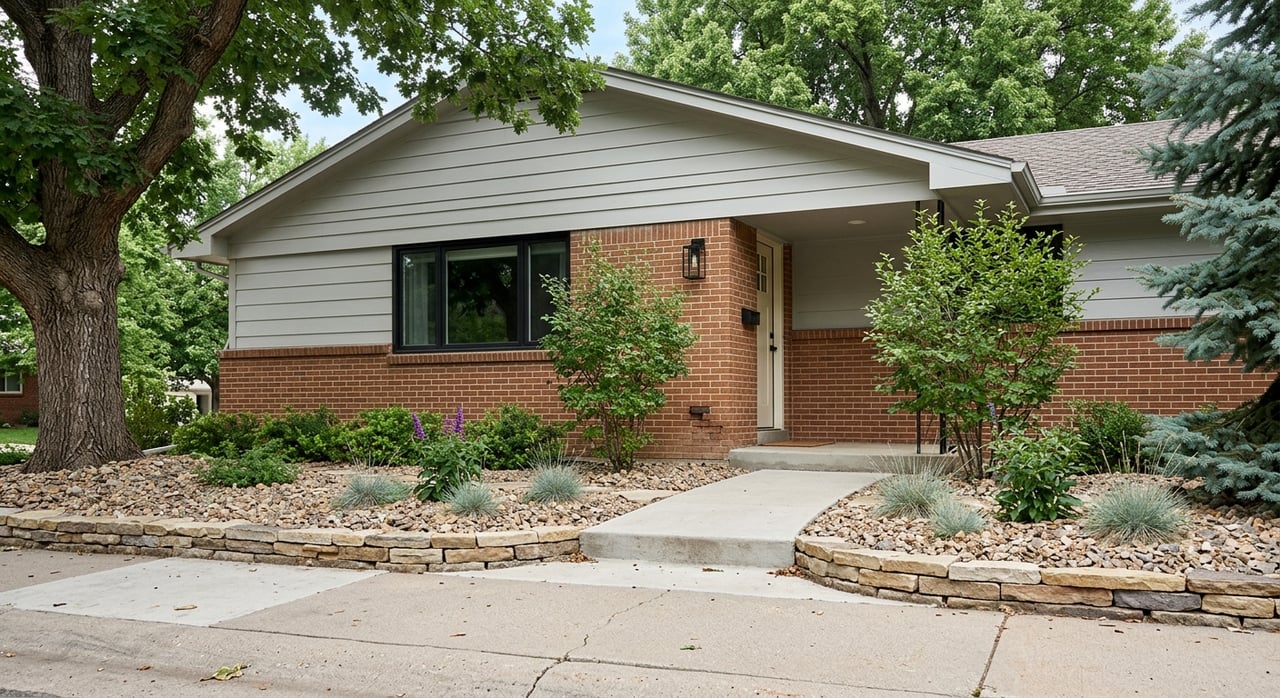
The City of Louisville describes Old Town as a historic residential neighborhood with diverse architecture and unique appeal. That variety is one reason the area feels different from newer subdivisions where homes often follow a narrower set of styles.
Historic context helps explain the look. The city’s residential context report identifies housing forms such as National houses, bungalows, Folk Victorian houses, Pyramidal forms, and at least one original Foursquare.
As a future resident, you may notice that homes can feel architecturally varied even when lots are relatively small and buildings sit closer to the street. That combination often creates a more intimate streetscape.
Preservation Shapes the Look and Scale
Old Town’s overlay zoning helps reinforce a lower-scale neighborhood pattern. The rules include a maximum principal building height of 27 feet, roof requirements that favor hip or ridge designs, and a minimum 6:12 roof pitch.
There are also incentives tied to preserving street-facing façades and landmarking. In practical terms, that means scale, rooflines, porches, and frontage tend to matter more here than they might in a newer area.
The city’s historic preservation program also notes that Louisville began as a modest mining town in 1878 and now recognizes more than 69 local landmarks. Owners of landmarked properties may be eligible for city historic preservation fund grants and loans, which shows how seriously the city treats historic stewardship.
What Future Residents Should Consider
Old Town Louisville offers a lifestyle that many buyers find hard to replicate. You get a compact neighborhood setting, a busy downtown core, regular community events, and access to parks and trails, all within a place shaped by historic character.
At the same time, the very features that create charm can also mean a more intimate and less standardized environment. Homes, lots, and streetscapes may feel different from what you would find in a newer suburban neighborhood, and preservation-minded planning plays an active role in how the area looks and evolves.
If that balance sounds appealing, Old Town may be worth serious consideration. For many buyers, it is not just about finding a house. It is about choosing a daily rhythm that feels connected, local, and distinctly Louisville.
If you are exploring homes in Louisville or trying to decide whether Old Town fits your lifestyle, Patrick Dolan can help you evaluate the neighborhood with the kind of local perspective that makes your next move clearer and less stressful.
FAQs
What is daily life like in Old Town Louisville for future residents?
- Old Town Louisville offers a compact lifestyle centered around a historic residential neighborhood and an 8-block downtown area with restaurants, coffee shops, boutique retail, offices, and regular community events.
What kinds of restaurants and coffee spots are in Old Town Louisville?
- Downtown Louisville includes a wide mix of dining options such as bakeries, coffee shops, dessert spots, Italian, Mexican, pizza, sandwiches, barbecue, bagels, wine-focused venues, and brewery or taproom spaces.
Are there community events in Old Town Louisville throughout the year?
- Yes. The city calendar includes recurring events like Street Faire, Farmers Market, and Summer Concerts in the Park, along with seasonal traditions such as July 4 fireworks, the Labor Day Parade and Fall Festival, and Old Town Skate.
Does Old Town Louisville have good access to parks and trails?
- Louisville has more than 355 acres of parkland, 37 designated parks, and an extensive trail network that connects residents to parks and other community amenities, including routes like Coal Creek Trail.
What types of homes are found in Old Town Louisville?
- Old Town includes a range of historic housing styles, including bungalows, Folk Victorian houses, Pyramidal forms, National houses, and at least one original Foursquare, which contributes to the neighborhood’s varied look.
How does historic preservation affect Old Town Louisville homes?
- Preservation standards help maintain a lower-scale streetscape through rules related to building height, roof form, and frontage, and some landmarked properties may be eligible for city historic preservation grants and loans.