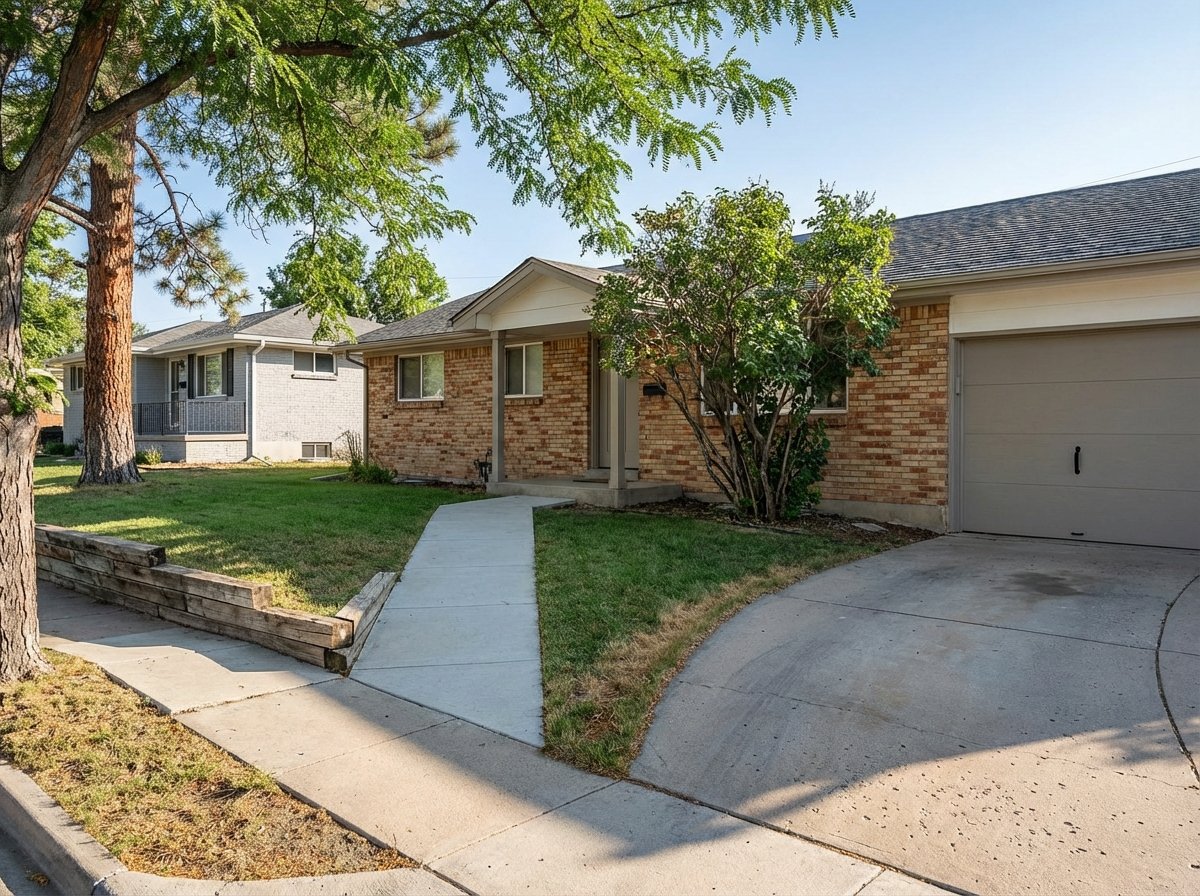
Trying to choose between the charm of Old Town and the space of Southwest Longmont? You are not alone. These two areas offer very different day-to-day experiences, from walkable Main Street living to newer homes with larger yards. In this guide, you will compare homes, prices, schools, amenities, commutes, and future growth so you can decide with confidence. Let’s dive in.
Quick take: Two great lifestyles
Old Town centers on historic streets near Main Street with character homes, pocket parks, and a strong walkable vibe. Southwest Longmont groups newer subdivisions with larger lots, modern layouts, and neighborhood parks. Both give you easy access to Boulder County, but the daily rhythm feels different in each pocket. Your choice comes down to lifestyle, budget, and commute.
Neighborhood boundaries and feel
Old Town overview
Old Town commonly refers to downtown Longmont and the surrounding historic Eastside and Westside blocks. You will see Victorian, Craftsman, and bungalow styles close to shops, dining, and cultural spots along Main Street. For a sense of the area’s vibe and landmarks, explore the Old Town feature from Visit Longmont. You can use the City of Longmont’s planning and GIS maps to confirm a property’s exact location and any historic designations.
- Learn more about Old Town’s character and attractions on the Visit Longmont guide: Old Town Longmont overview
- Check official maps for precise boundaries: City of Longmont planning and maps
Southwest Longmont overview
Southwest Longmont is the cluster of neighborhoods south and west of Ken Pratt Boulevard around Nelson Road, Clover Basin, and the Village at the Peaks area. Most homes were built from the 1990s onward, often on larger lots with attached garages and modern floor plans. These areas are more auto-oriented than downtown, though you will find parks and trails nearby. Use the City’s planning maps for precise neighborhood and subdivision context.
- Confirm neighborhood context and city planning references: City of Longmont planning and maps
Homes and lots: What to expect
Old Town homes
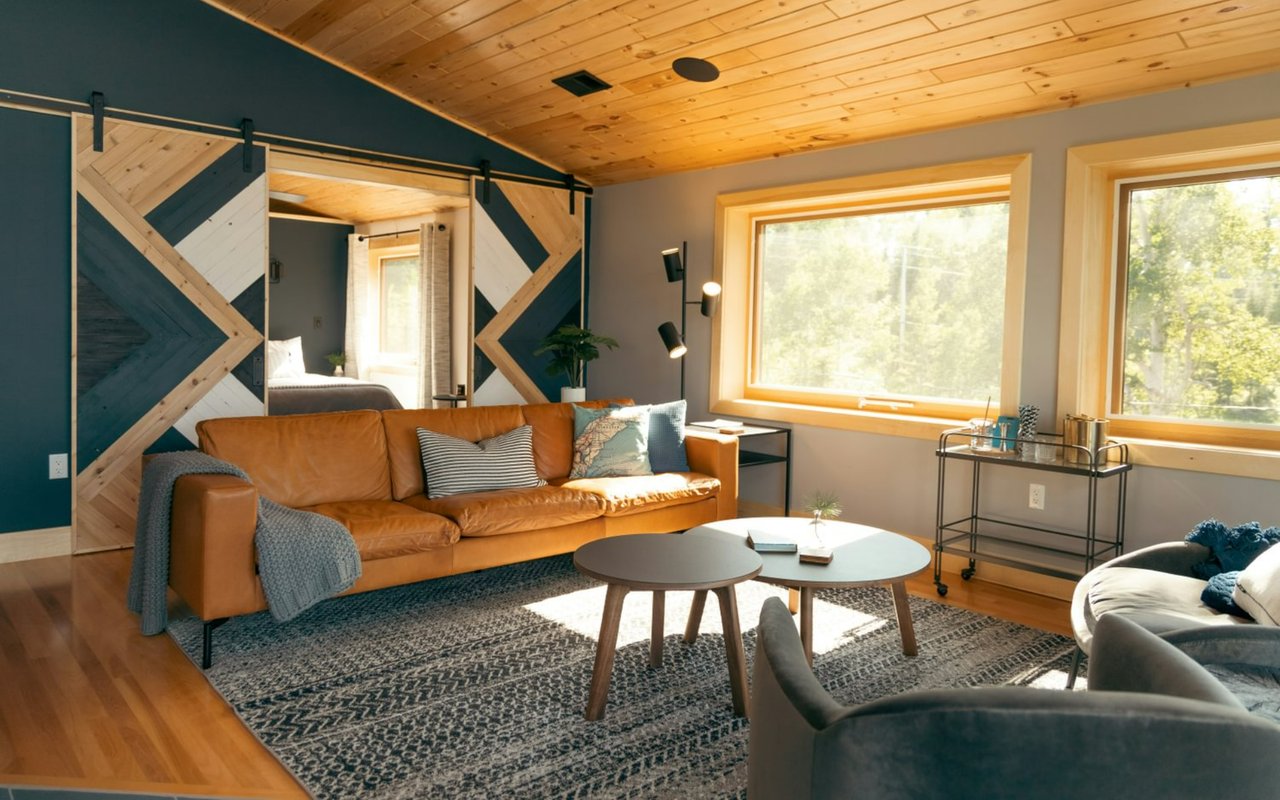
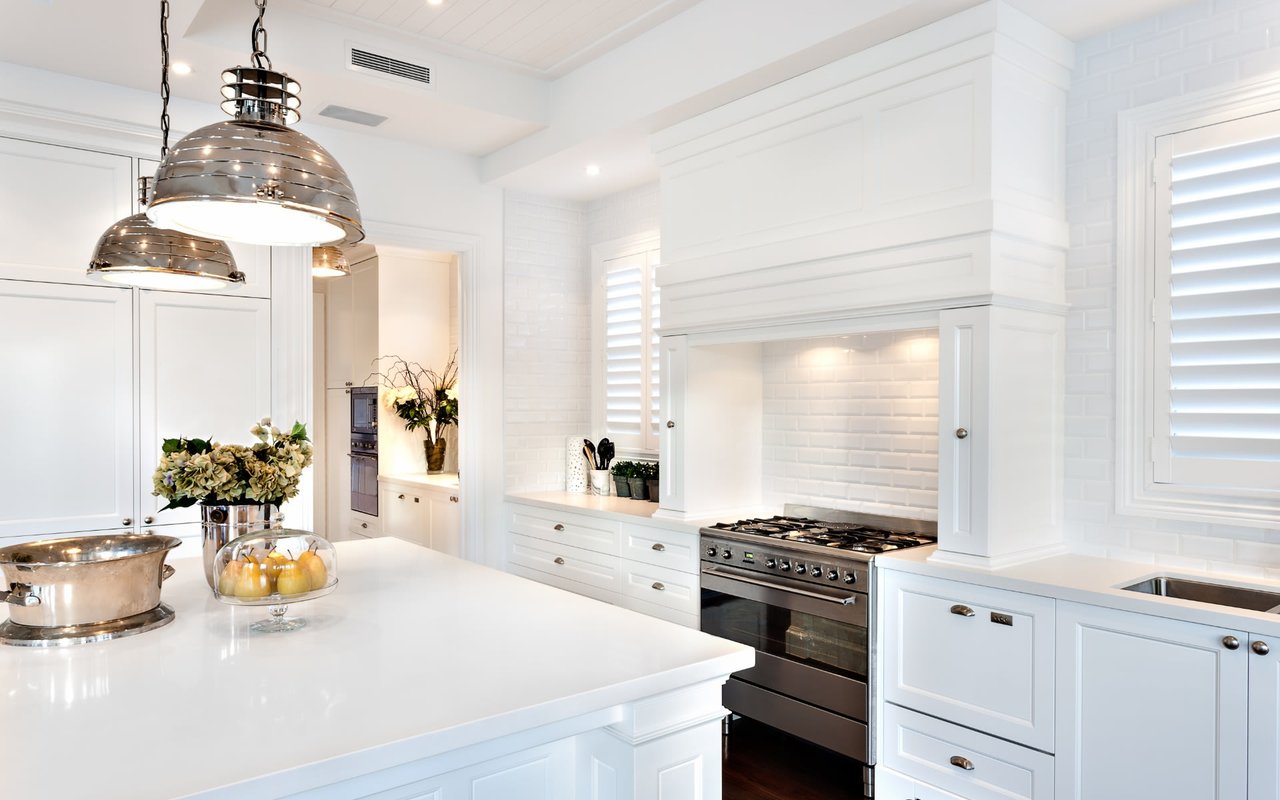
Expect smaller to mid-sized historic single-family homes, with some townhomes or in-fill condos closer to Main Street. Many properties have been updated, but older construction can mean attention to mechanical systems and basements over time. Lots tend to be modest, which often translates to less yard upkeep. The tradeoff is access to downtown energy and a strong neighborhood identity.
Southwest Longmont homes
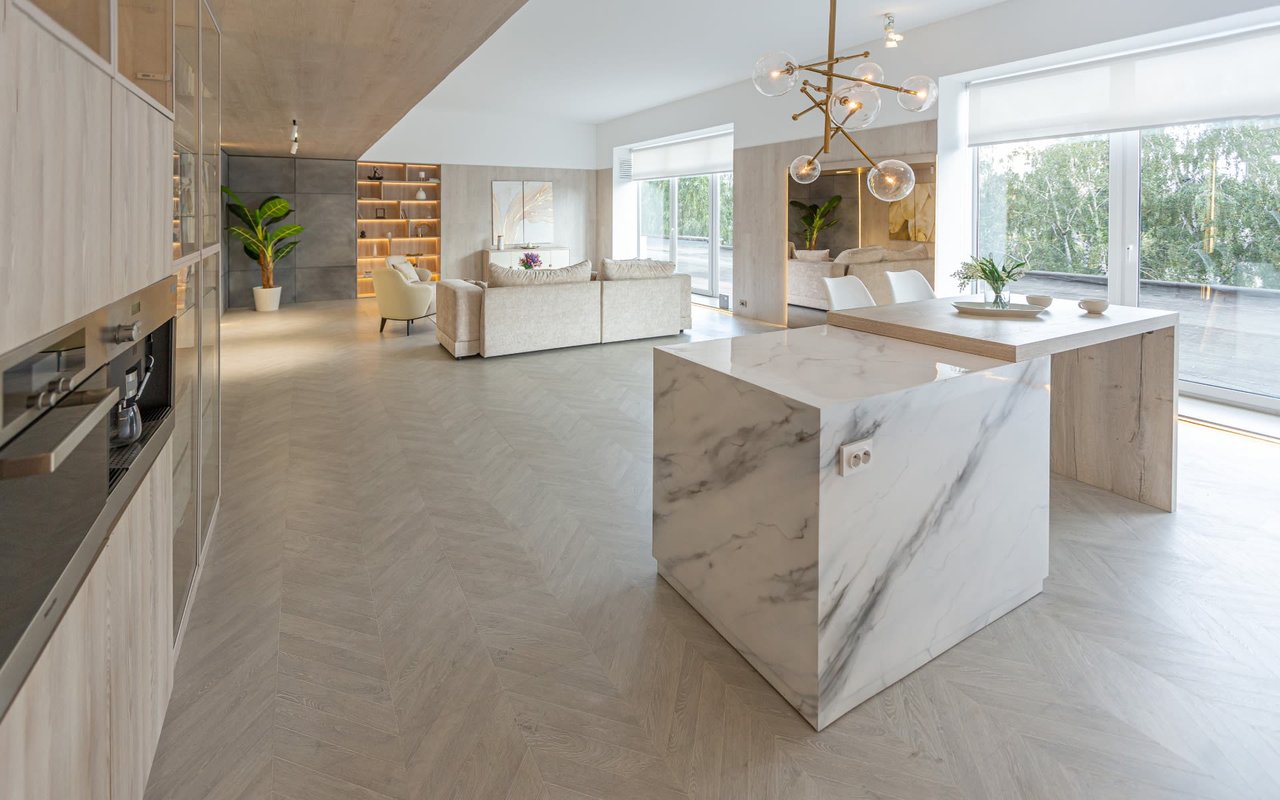
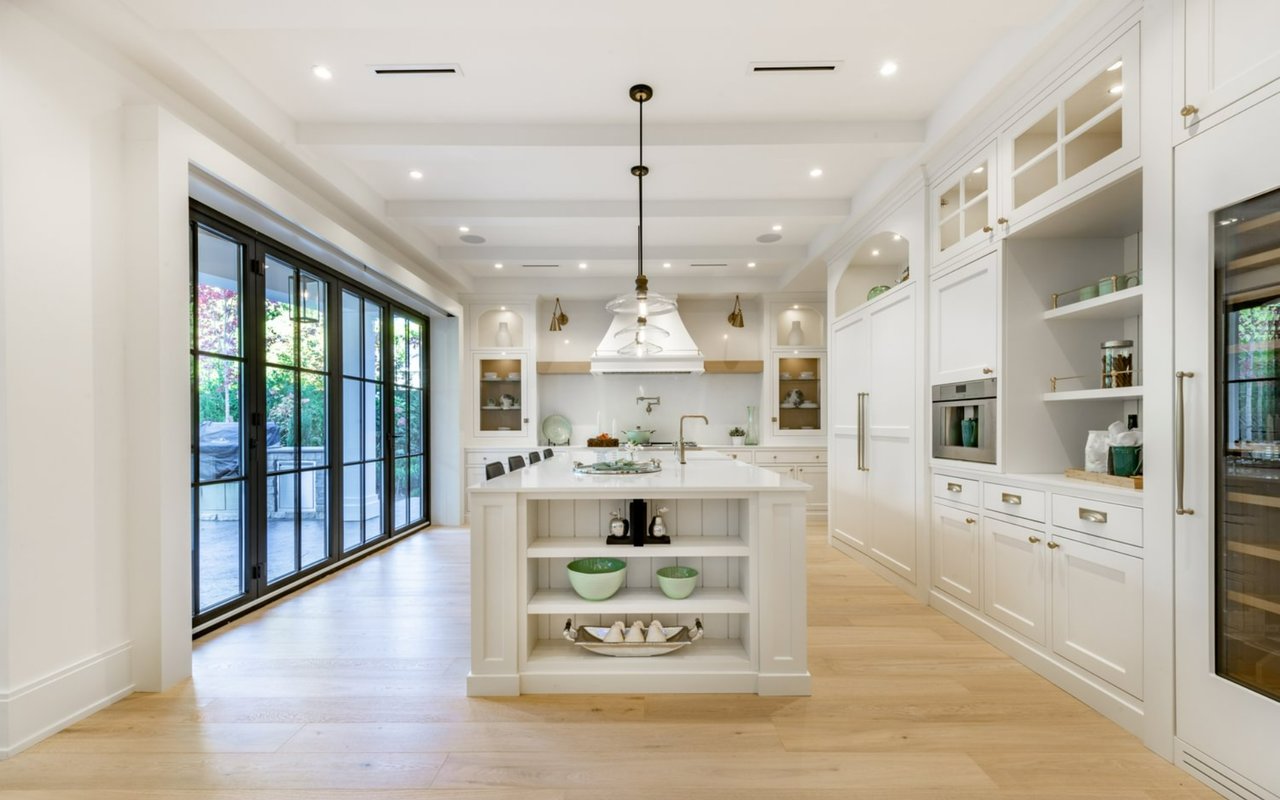
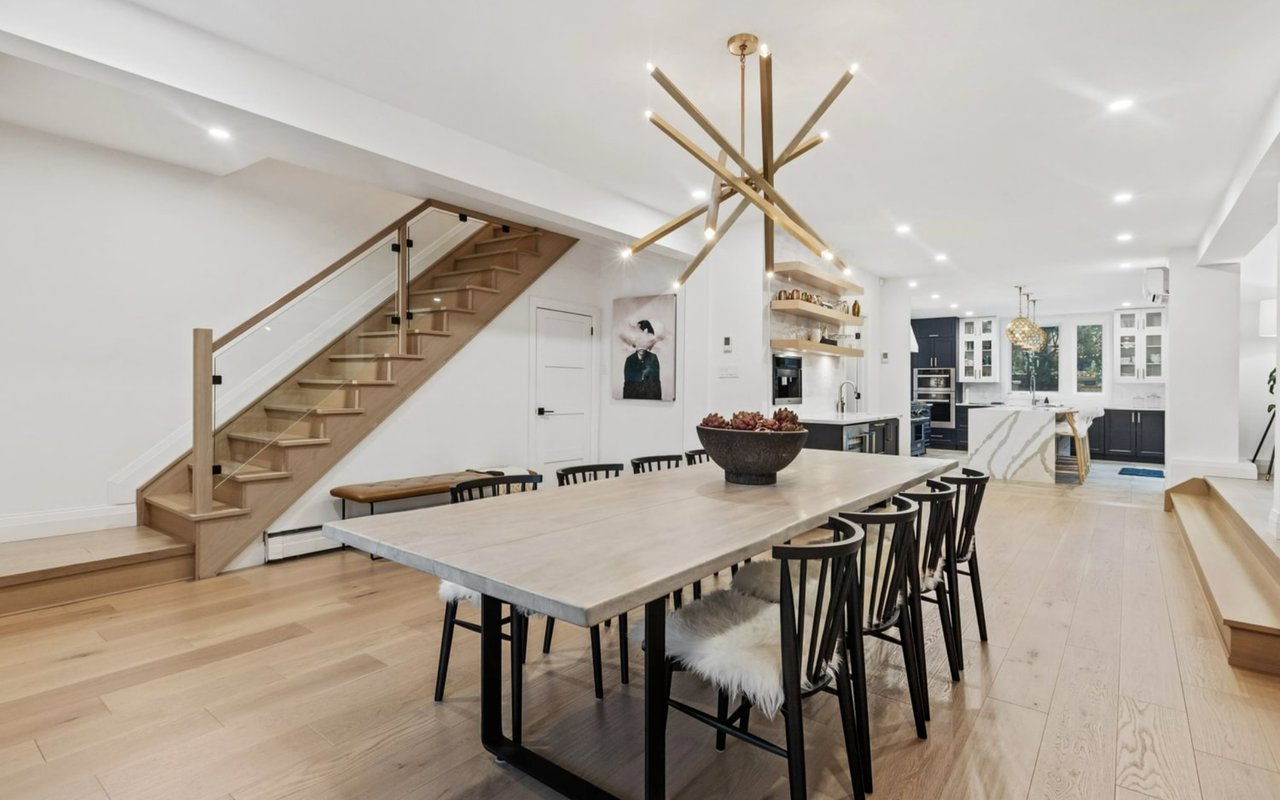
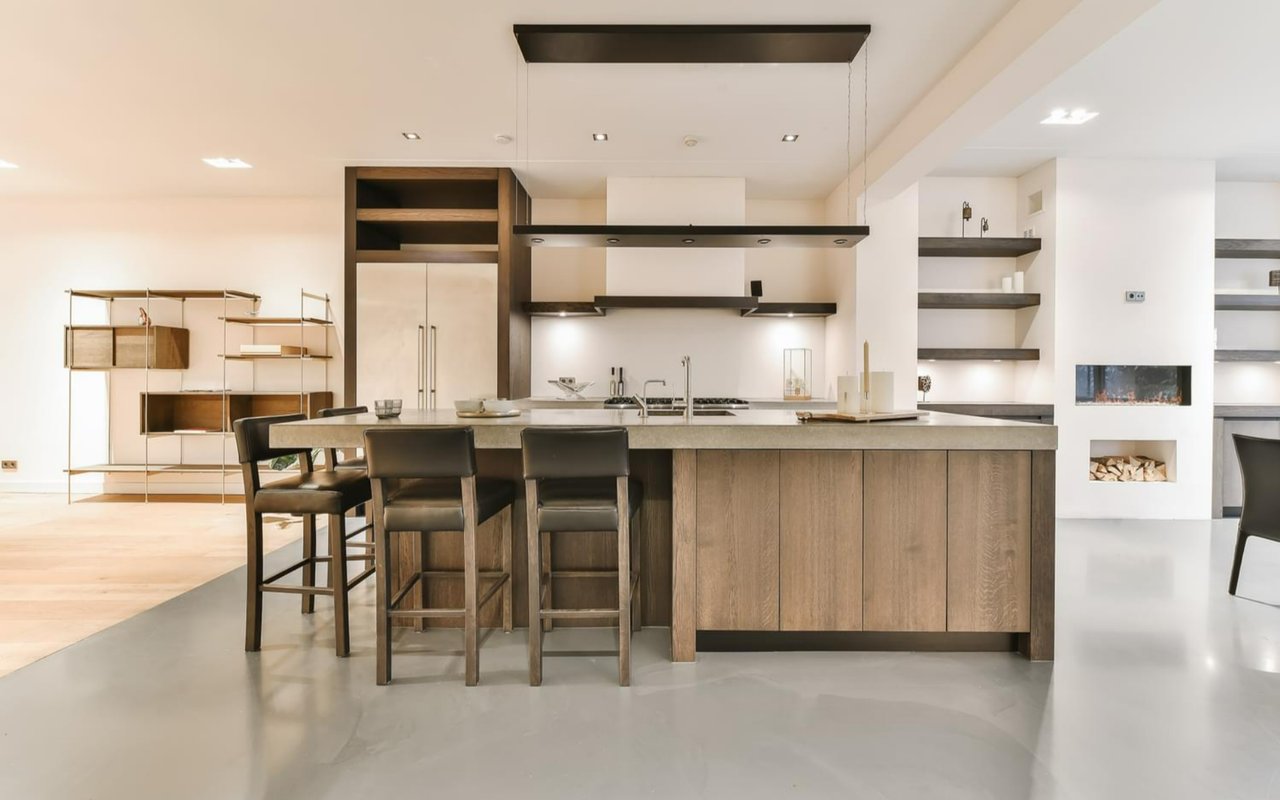
Most homes are newer single-family builds with open layouts, larger yards, and features like 3-car garages or primary suites on the main level. You will also find HOA communities with neighborhood amenities, which can add monthly fees and rules to review. Some pockets include bigger or semi-custom lots. If you want space, storage, and newer systems, this area fits well.
Prices and value today
Neighborhood prices move with inventory and property mix, and platforms define boundaries differently. A recent snapshot shows the median sold price in Old Town around 655,800 dollars in June 2025, per Rocket Homes. Short-term neighborhood reports often show higher medians in Southwest Longmont, with examples ranging roughly from the mid-700s to about 1.07 million depending on the timeframe and subarea. Treat these as ballpark comparisons and verify the latest numbers with current MLS data before you make a move.
- Source for Old Town snapshot: Rocket Homes Old Town market report
Schools and enrollment
School assignments depend on your specific address. St. Vrain Valley School District publishes boundary maps and offers open enrollment in many cases. Central Longmont, including much of Old Town, commonly feeds Longmont High School. Many Southwest pockets feed Silver Creek High School. Always use the district’s tool to confirm the current feeder pattern for a given home.
- Verify assignments with the district: SVVSD boundary lookup
- Longmont High School profile: NCES school detail
- Silver Creek High School profile: NCES school detail
Walkability, parks, and daily errands
Old Town’s edge is its walkability. Main Street concentrates local restaurants, shops, and cultural venues like the Dickens Opera House and a seasonal farmers market. Many listings in this core are described as very walkable, which makes errands and evenings out simple. For a taste of the scene, see Visit Longmont’s neighborhood overview.
- Explore local highlights: Old Town Longmont overview
Southwest Longmont leans suburban with neighborhood parks and easy driving to regional retail like Village at the Peaks. Outdoor spots such as Golden Ponds and Lagerman Reservoir are a short drive away. You will likely rely more on a car for errands, school runs, and dining.
Commute and regional access
Longmont sits about 14 to 15 miles northeast of Boulder and roughly 34 to 35 miles north of Denver. US 287 runs north-south through town, CO 119 connects Longmont to Boulder, and Ken Pratt Boulevard links key east-west corridors. RTD provides regional bus service, and the city is advancing the 1st and Main transit station project that could improve transfer options in the future. Check current routes and schedules with RTD and the city before you plan a daily commute.
- Orientation to distances and routes: WalkRideUSA on Longmont
- Longmont planning links, including transit references: City of Longmont planning and maps
Future growth to watch
City-led and private redevelopment can shape both areas over time. The Sugar Mill and STEAM sub-area vision on the south and east side proposes a large mixed-use district with thousands of homes plus commercial and arts uses. The concept depends on approvals and financing, so timelines matter. The city is also working through urban renewal and infrastructure updates, including the 1st and Main transit hub and activity around the former Twin Peaks Mall area. Monitor city pages and local reporting for status updates.
- Overview of the Sugar Mill concept: BizWest reporting
- City references for redevelopment and planning: City of Longmont planning and maps
Which is right for you? Quick checklist
Choose Old Town if you value:
- Walkable access to Main Street dining, shops, and events.
- Historic home character and a tight-knit neighborhood feel.
- Smaller lots with lower yard maintenance.
- A lively, central location that supports an out-and-about lifestyle.
Choose Southwest Longmont if you value:
- Newer construction, modern systems, and open floor plans.
- Larger yards, extra garage space, and neighborhood parks.
- Suburban streets with easy driving to regional retail.
- Proximity to schools that often serve the southwest 80503 area.
Budget and upkeep tips:
- Historic homes can trade at a higher price per square foot and may require ongoing maintenance. Newer suburban homes often cost more in absolute price, may have HOA fees, and usually offer more space and storage. Align the numbers with your renovation appetite and monthly budget.
Commute and logistics tips:
- Map your daily drive to Boulder or Denver from a few addresses in each area. Check bus options and the latest city transit updates. If schools matter, verify your address in the SVVSD tool and consider pickup and aftercare logistics.
Next steps
If you narrow the choice to Old Town vs Southwest, tour homes in both areas on the same day. Compare floor plans, light, yard size, and street feel. Ask for current MLS comps, HOA documents where applicable, and a utility and maintenance snapshot for any older home you love. When you are ready, lean on a local team that knows both pockets well.
For a thoughtful, side-by-side plan and on-the-ground guidance, connect with The Patrick Dolan Team . We will help you compare neighborhoods, refine your budget, and move forward with confidence.
FAQs
What defines Old Town Longmont boundaries?
- Old Town commonly covers downtown and the adjacent historic Eastside and Westside blocks, but you should confirm any property’s exact status using the City of Longmont planning and maps.
Are prices higher in Southwest Longmont than Old Town?
- Short-term neighborhood reports often show higher medians in Southwest Longmont, while an Old Town snapshot showed a 655,800 dollar median in June 2025 per Rocket Homes; always verify with current MLS data.
Which high school serves each area?
- Many Old Town addresses feed Longmont High School and many Southwest addresses feed Silver Creek High School, but you should confirm your exact address with the SVVSD boundary lookup.
How walkable is Old Town compared to Southwest Longmont?
- Old Town is typically described as very walkable with Main Street amenities nearby, while Southwest Longmont is more car dependent with parks and retail a short drive away; see the Old Town overview for local context.
What future projects could affect these neighborhoods?
- The Sugar Mill and STEAM sub-area concept and the planned 1st and Main transit hub are key efforts to watch; check BizWest reporting and city planning pages for status updates.