Wondering why two similar homes in South Boulder can sell at very different prices? You are not alone. Between open space access, foothills views, and limited new construction, this micro-market behaves differently than broader Boulder averages. In this guide, you will learn how pricing works, what inventory looks like, which micro-neighborhood factors matter most, and what to check before you write an offer. Let’s dive in.
South Boulder market at a glance
South Boulder is a true micro-market. Supply is tight because open-space protections and limited developable land restrict new building. Demand is shaped by lifestyle factors like trail proximity, views, and walkability to neighborhood retail and transit.
When you evaluate homes and plan timing, keep your eye on inventory and speed-of-sale indicators instead of just headline prices. Small subareas can swing quickly with only a few listings, so context is everything.
Key metrics to watch
- Median sales price and year-over-year change.
- Months of supply and active inventory by property type.
- New listings compared with pending sales over the past 30 to 90 days.
- Median days on market and price-to-list ratio.
- Price per square foot for single-family versus condos and townhomes.
- Sales mix by bedroom count and property type.
- Mortgage rates and local affordability benchmarks.
- Rental vacancy rates and average rents for investment context.
How to read the data
- Compare rolling 12-month trends with the most recent 30 to 90 days to smooth out seasonality and spot momentum.
- Expect volatility. With fewer transactions, a couple of standout sales can move averages.
- Trust hyperlocal MLS data for pricing patterns and speed. Broader regional reports may not reflect South Boulder’s nuances.
Typical homes and pricing drivers
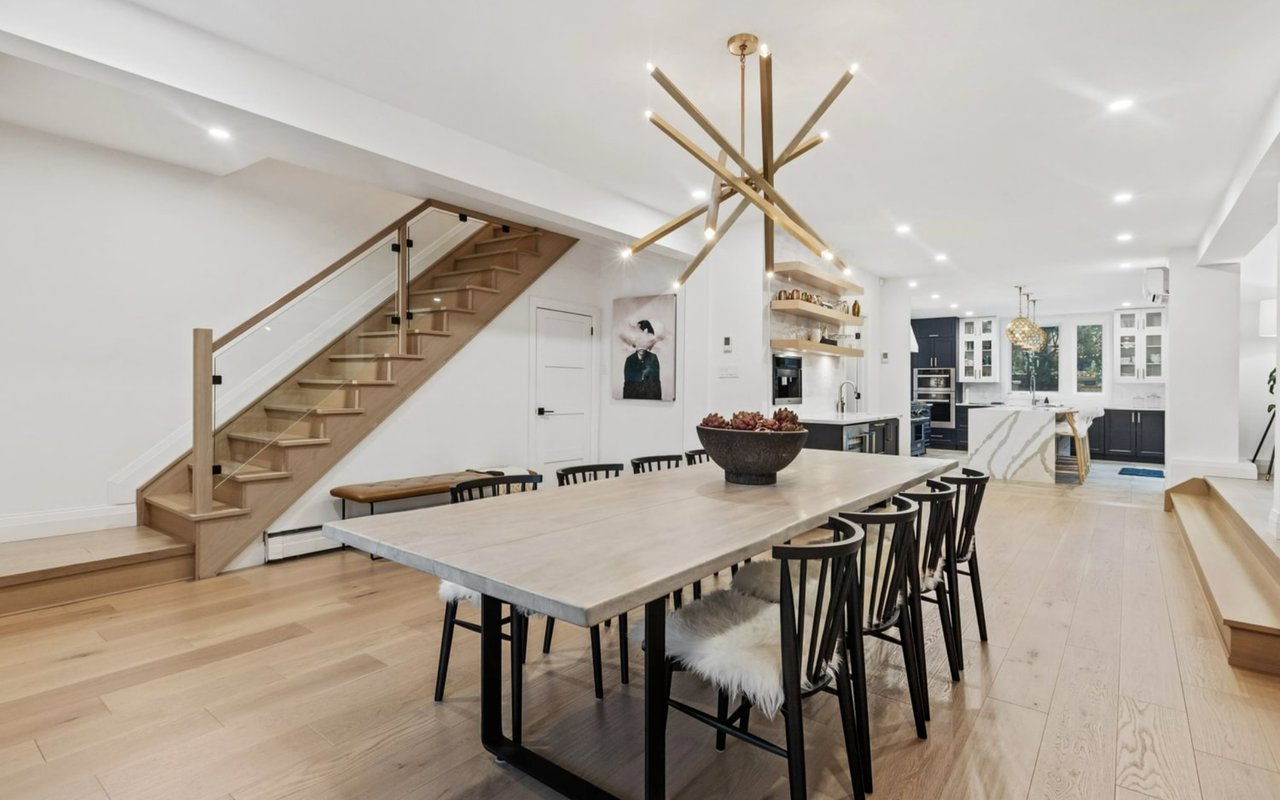
You will see a wide range of options in South Boulder, from mid-century ranches to hillside properties with sweeping views. Each category has its own pricing logic.
Single-family homes
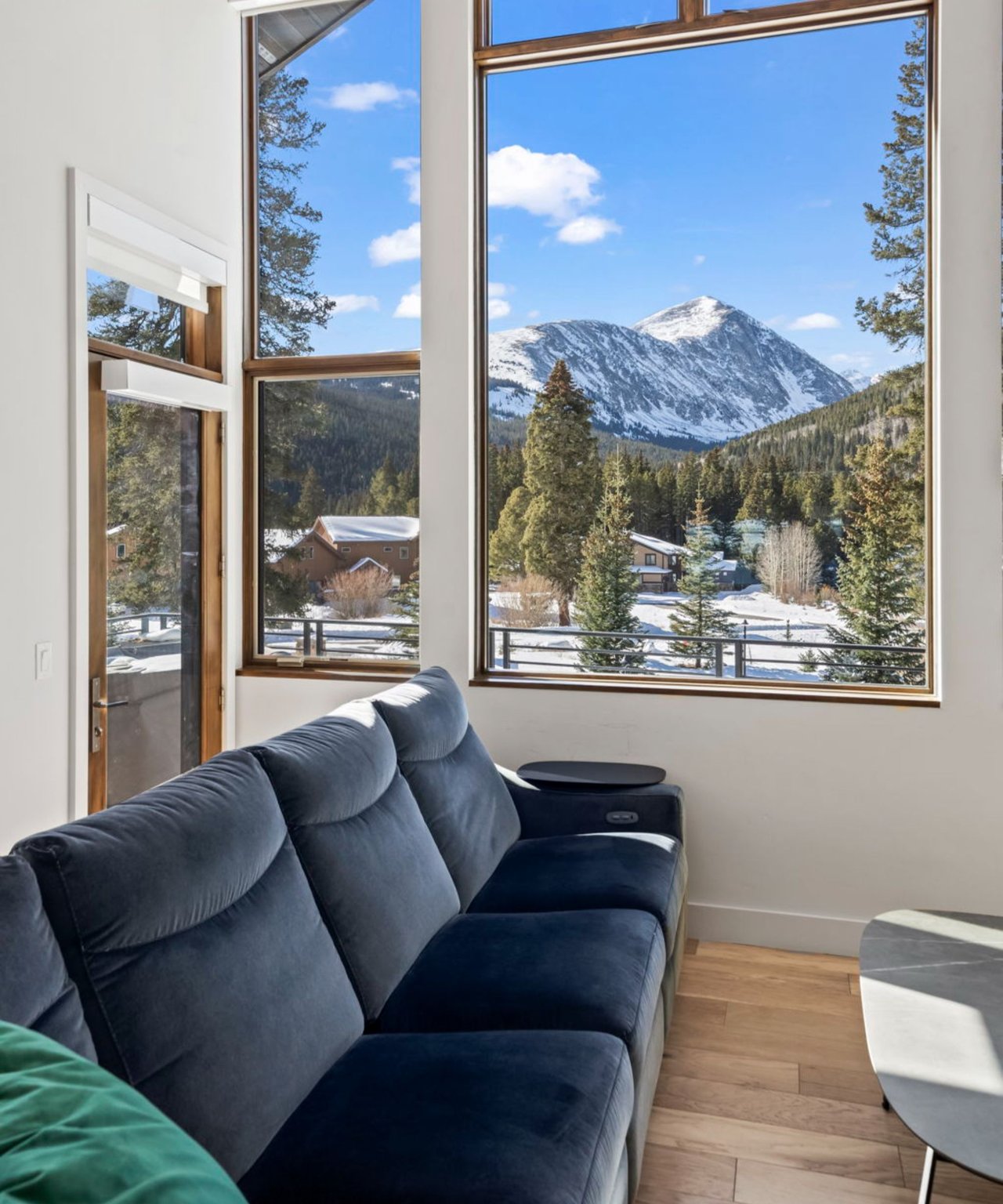
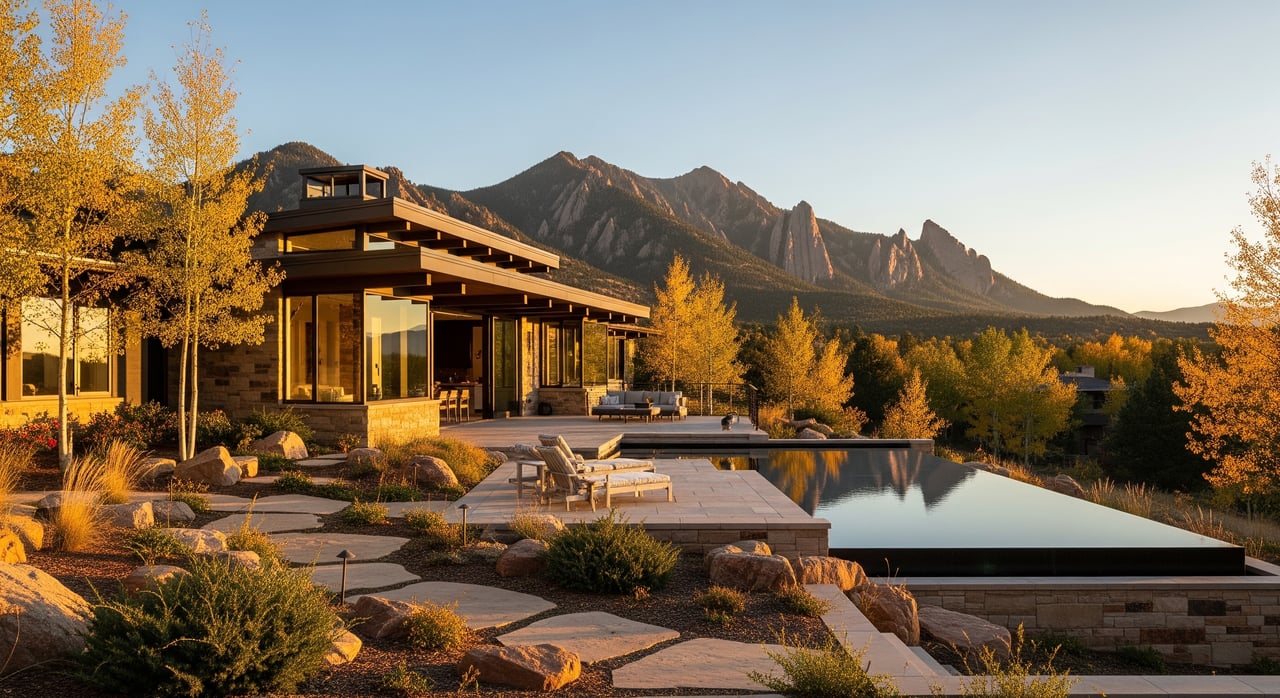
You will find older ranch and mid-century homes, remodeled contemporaries, and luxury hillside properties. Lot size, privacy, and view corridors are major value drivers. Homes that border open space or offer foothills views usually command a premium compared with similar homes farther from the trails. Renovations that enhance indoor-outdoor living and energy efficiency also help values stand out.
Condos and townhomes
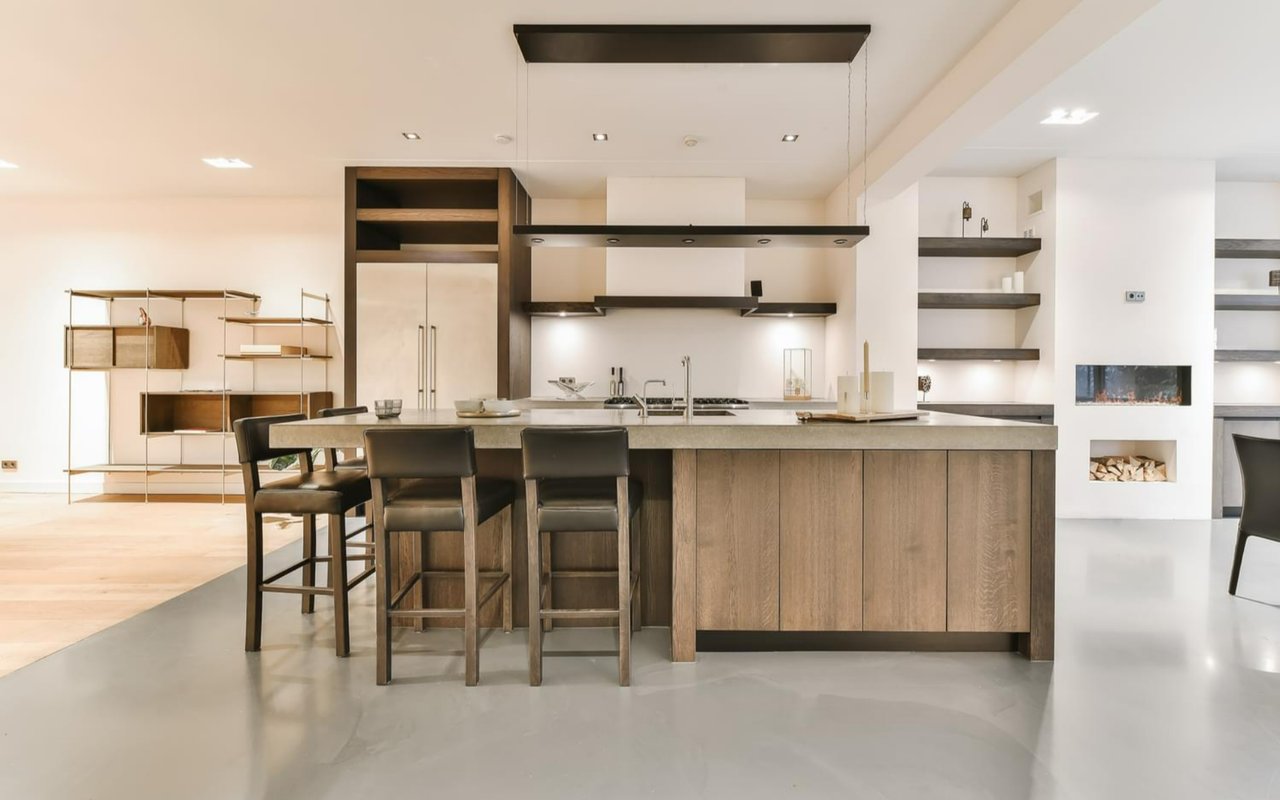
Garden-style condos and attached townhomes cluster near transit and retail. These often provide a lower entry price than detached homes, but you should factor HOA dues and rules into your monthly budget. The resale pool can differ from single-family homes, so review recent sales for the specific community you are considering.
New builds and ADUs
New construction is scarce due to land constraints and strong open-space protections, so new builds typically carry a premium. Some blocks allow accessory dwelling units or duplex configurations. Always verify eligibility and specific zoning before assuming you can add living space or rental options.
Micro-neighborhood influences
In South Boulder, two blocks can mean two different buyer pools. Micro-location shapes both daily life and resale strength.
Open space proximity premium
Trail and open-space adjacency creates a lifestyle premium. Buyers who prioritize outdoor access often target homes within walking distance of trailheads and OSMP lands. These listings tend to sell faster and can hold value better during slower periods because demand stays steady for the lifestyle they offer.
Walkability and transit
Proximity to grocery, cafes, and transit corridors can boost appeal for buyers who want fewer car trips. Some homes near busier roads trade a bit of price for convenience. Decide which trade-offs fit your routine and noise tolerance, then narrow your search accordingly.
Schools and zoning
School assignments can shape demand for specific blocks, so compare options neutrally based on your needs. Zoning and any design overlays may limit exterior modifications. If you plan to renovate, confirm what is possible before making an offer.
Environmental overlays
Homes close to the foothills may sit in the Wildland-Urban Interface, where wildfire risk and mitigation requirements are important. Floodplain overlays can affect canyon-adjacent or creek-adjacent properties. On sloped lots, ask for geotechnical context and pay close attention to drainage.
What this means for buyers
A winning South Boulder strategy blends data, micro-location knowledge, and smart contingencies. Start with pre-approval and a clear budget, then align your search with the features that move prices most in this market.
Move-up and family buyers
If you want yard space and easy trail access, be prepared for competition on open-space-adjacent homes. Consider slightly larger lots away from major corridors for added privacy. Renovated kitchens, updated systems, and energy-efficient upgrades can reduce near-term maintenance, so include those in your value calculations.
Relocators and remote buyers
If you are new to Boulder, lean on neighborhood-level guidance and virtual previews to reduce travel time. Walkability and commute routes to CU Boulder, downtown Boulder, and nearby employment hubs can be just as important as square footage. Clarify your must-haves so you can move quickly when the right home appears.
Investors and second-home buyers
Check HOA rental policies, reserve health, and any special assessment history for condos and townhomes. Boulder regulates short-term rentals and secondary properties, so verify current rules before assuming rental income. Properties near open space often hold their appeal across cycles, but underwriting should be conservative.
Due diligence checklist
Use this checklist to streamline pre-offer prep and inspections.
Pre-offer and financing
- Get a strong pre-approval and review rate lock options.
- Discuss appraisal considerations for unique hillside or view properties.
- Review recent comparable sales by micro-location and condition.
Inspections and environmental
- Order radon testing and consider additional tests for mid-century materials.
- Ask about wildfire mitigation work and evaluate defensible space.
- Confirm floodplain overlays and request drainage and plumbing checks where appropriate.
- On hillside lots, review foundation and slope stability; request geotechnical reports if indicated.
Insurance, taxes, and ongoing costs
- Price insurance for WUI properties and any unique construction types.
- Review property tax history via the county assessor and look for special district fees.
- For condos and townhomes, review HOA dues, reserve studies, and recent assessments.
Zoning, rentals, and permits
- Verify current short-term rental rules and licensing before modeling income.
- Confirm zoning for additions, ADUs, and exterior changes.
- Check design controls or historic overlays that may limit modifications.
Neighborhood logistics
- Review commute times and transit access.
- Check parking rules and neighborhood permit programs near popular trailheads.
- Ask about municipal energy programs and rebates for efficiency upgrades.
Winning in a competitive pocket
When inventory is lean near trails or view corridors, the details matter. Position your offer to be both attractive and well-protected.
- Request disclosures early and complete pre-inspection consults when possible.
- Tighten timelines you can confidently meet, backed by a reliable lender.
- Balance certainty for the seller with contingency protections that fit the property’s risks.
- Consider price bands that face slightly less competition, like homes a few blocks off open space where you still get strong access.
Appraisals and unique homes
Distinctive view homes and extensively remodeled properties can challenge appraisals because comparable sales are limited. Prepare with hyperlocal comps, a clear understanding of improvements, and strong communication with your lender. If appraisal risk is material, discuss options that match your comfort level and financial plan.
Costs to plan for
Beyond the purchase price, plan for ongoing costs that are common in South Boulder.
- HOA dues for condos and townhomes, plus any upcoming capital projects.
- Insurance premiums for homes with wildfire exposure or unique features.
- Energy-efficiency upgrades, electrification, or aging system replacements in mid-century homes.
- Landscape and defensible-space maintenance near the foothills.
How our team helps
You deserve guidance that blends neighborhood context with a proven process. With decades of Boulder County experience, The Patrick Dolan Team brings local insight, multi-agent coverage, and steady communication to every step. We help you read the numbers, weigh micro-location trade-offs, and negotiate with clarity.
Whether you are moving up, relocating from out of area, or exploring an investment, our team coordinates pre-approval, on-the-ground and virtual tours, offer strategy, inspections, and closing details. You get a streamlined experience and the confidence that comes from trusted, locally informed representation.
Ready to explore South Boulder with a plan that protects your value? Reach out to The Patrick Dolan Team to start a conversation.
FAQs
What makes the South Boulder housing market unique?
- Limited new construction, strong open-space protections, and micro-neighborhood differences create a supply-constrained market where trail access, views, and walkability drive pricing and speed.
How does open space proximity affect home prices?
- Homes near trailheads and OSMP lands often sell faster and command a premium compared with similar homes farther away, thanks to the lifestyle appeal and stable resale demand.
Are condos and townhomes a good entry point in South Boulder?
- They typically offer lower entry prices than single-family homes, but you should factor HOA dues, rules, reserves, and the community’s recent sales into your decision.
What should I check before buying near the foothills?
- Review wildfire mitigation, insurance costs, slope stability or geotechnical context, drainage and floodplain overlays, and any design or permitting constraints that affect future changes.
Can I add an ADU or use a home as a short-term rental in Boulder?
- It depends on zoning and current city rules. Verify eligibility, processes, and licensing requirements before assuming rental income or expansion potential.
How fast do homes sell in South Boulder?
- Speed varies by micro-location and condition. Track median days on market, new listings, and pendings, and expect faster activity for homes near open space or with views.
When is the best time to buy in South Boulder?
- Seasonality can be pronounced in a small submarket. Compare the most recent 30 to 90 days against 12-month trends and be ready to act when the right home appears.