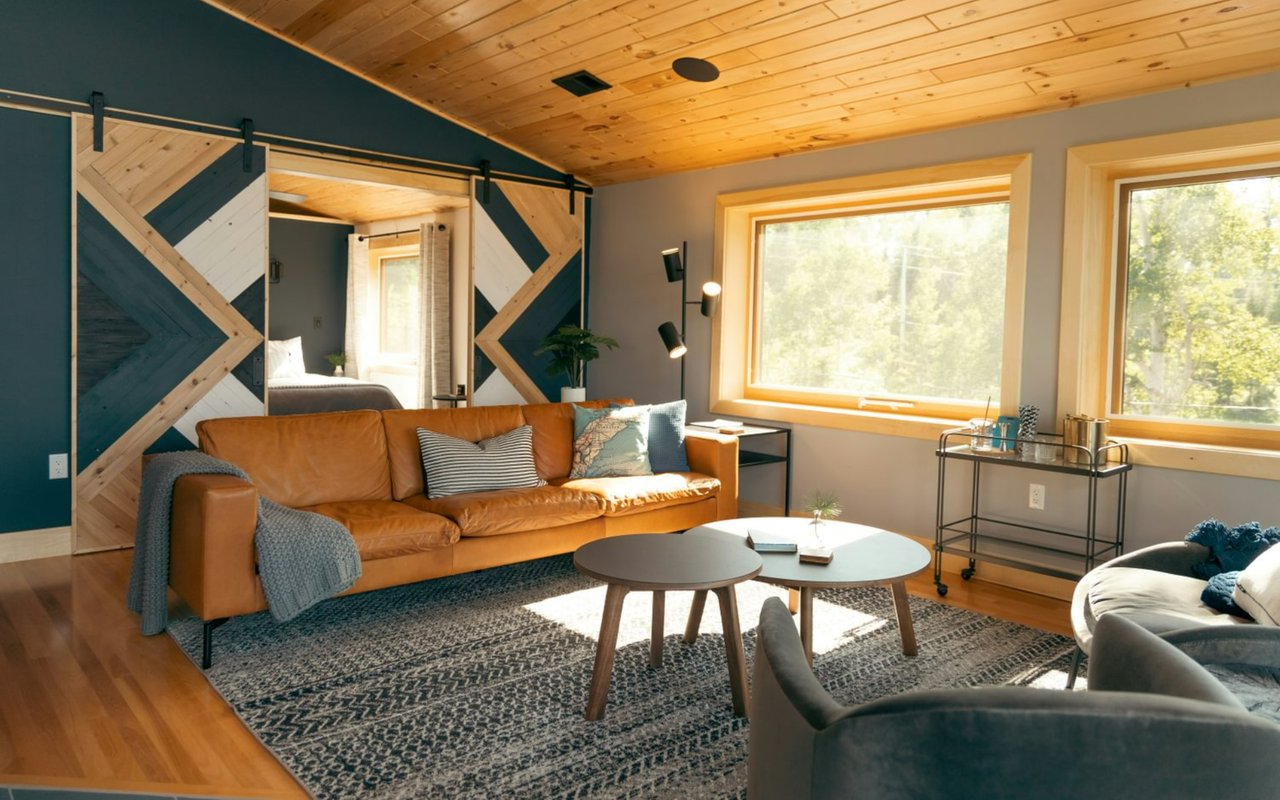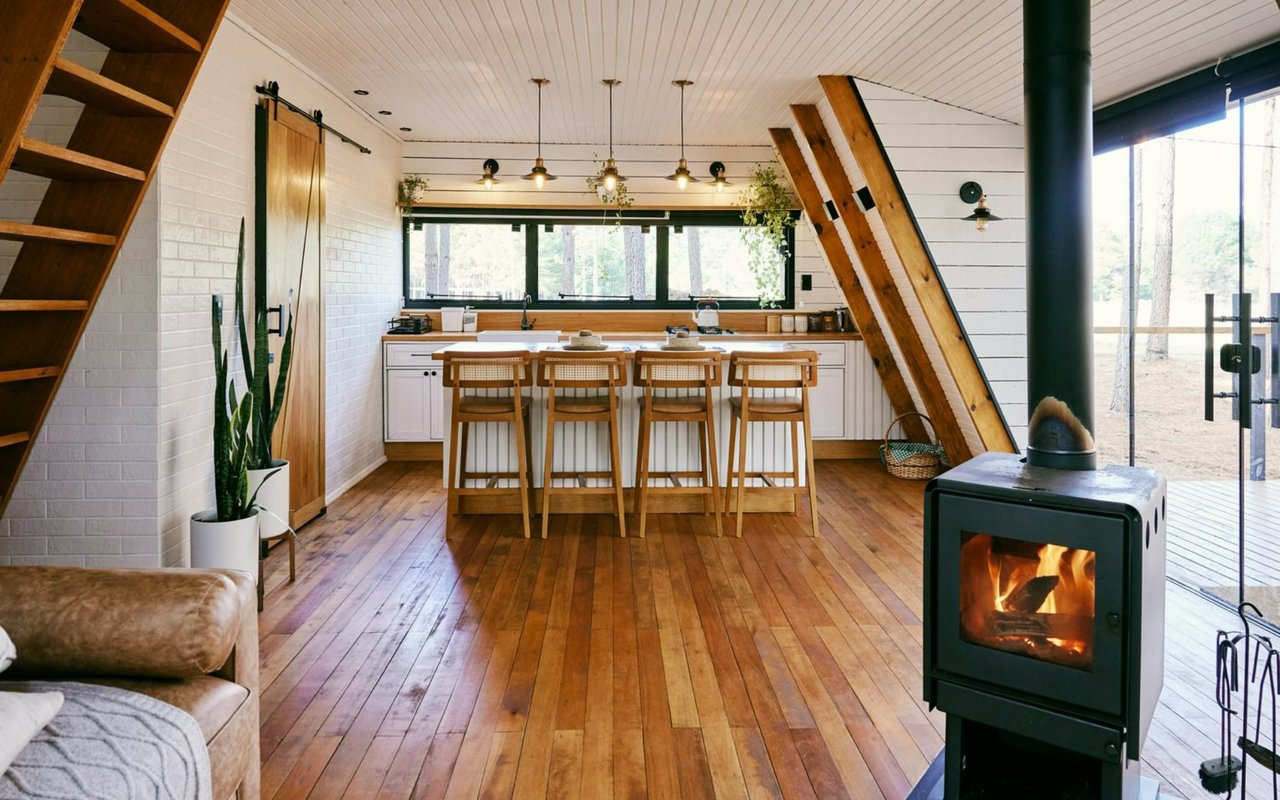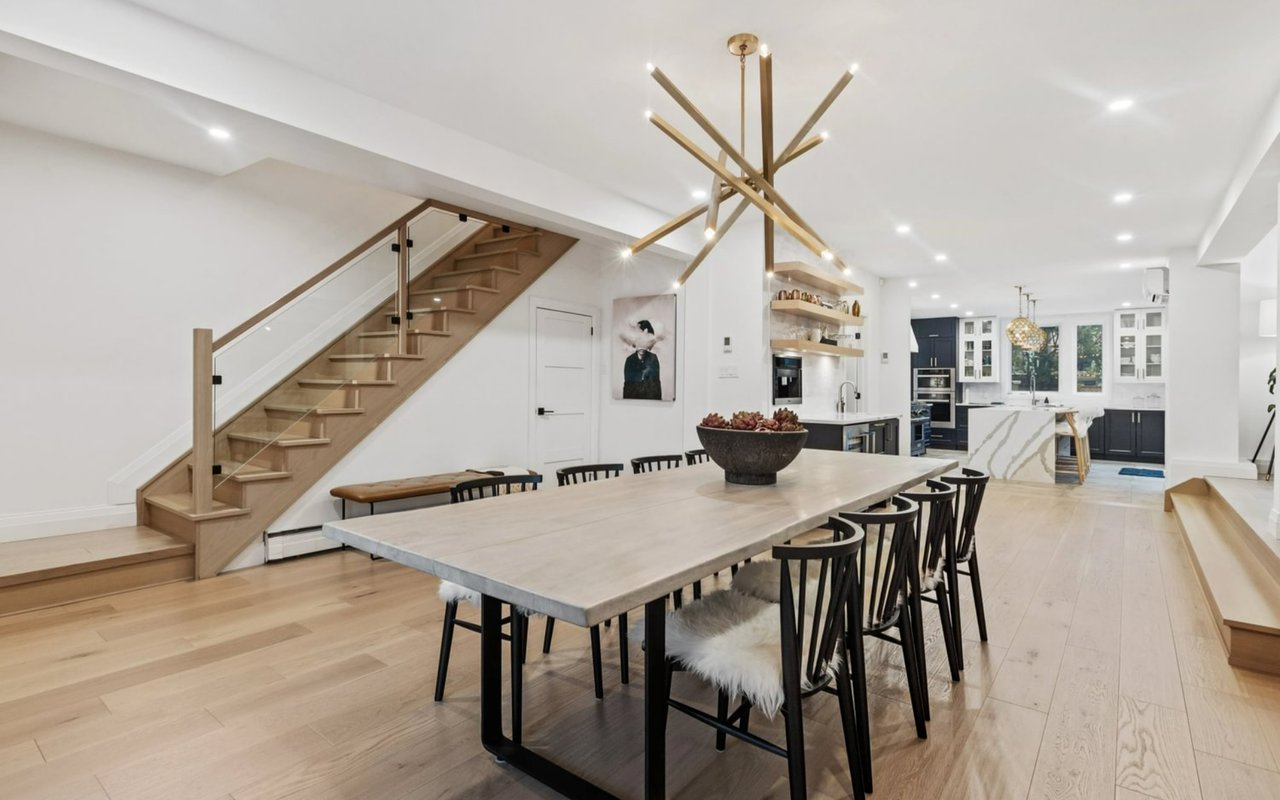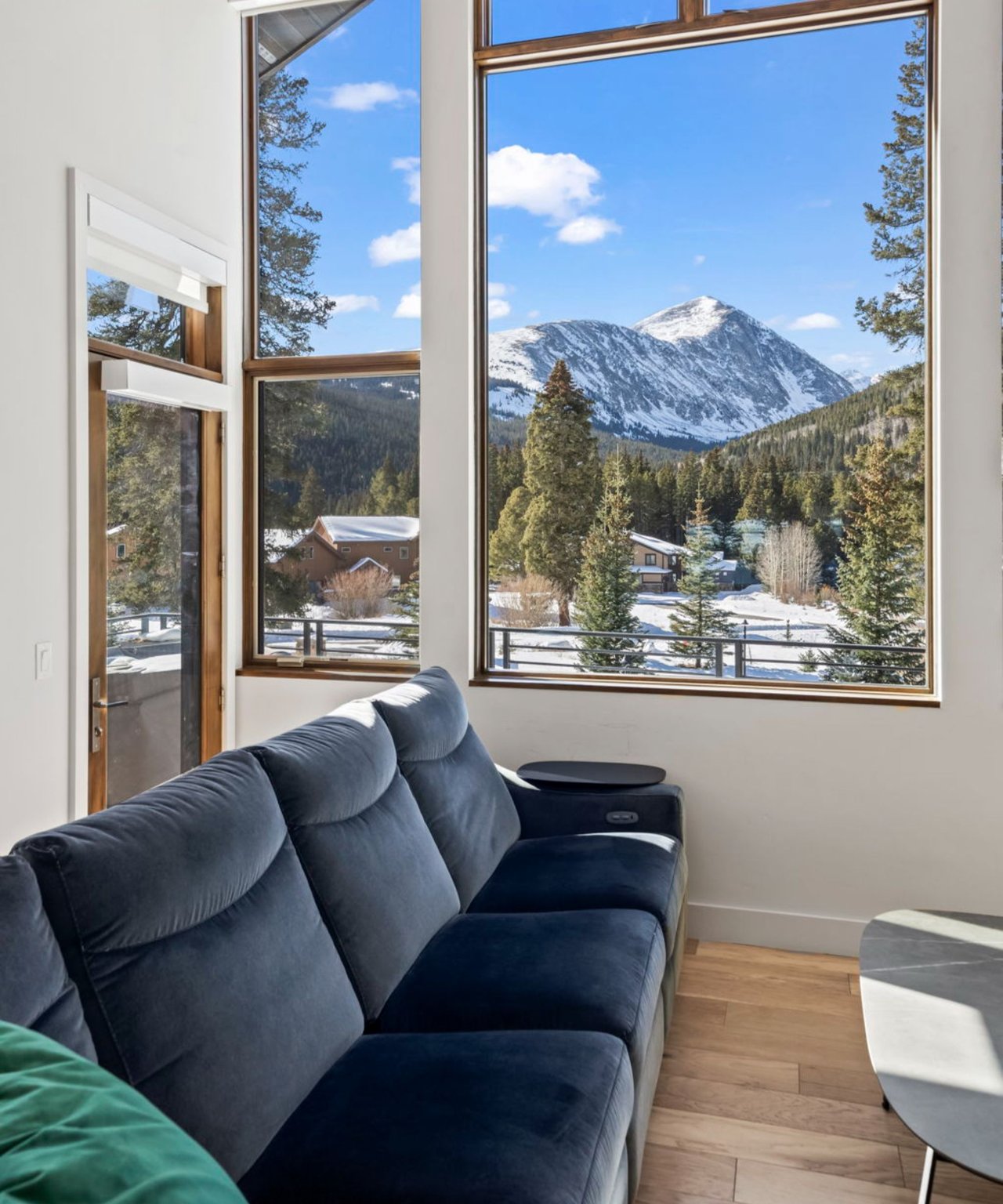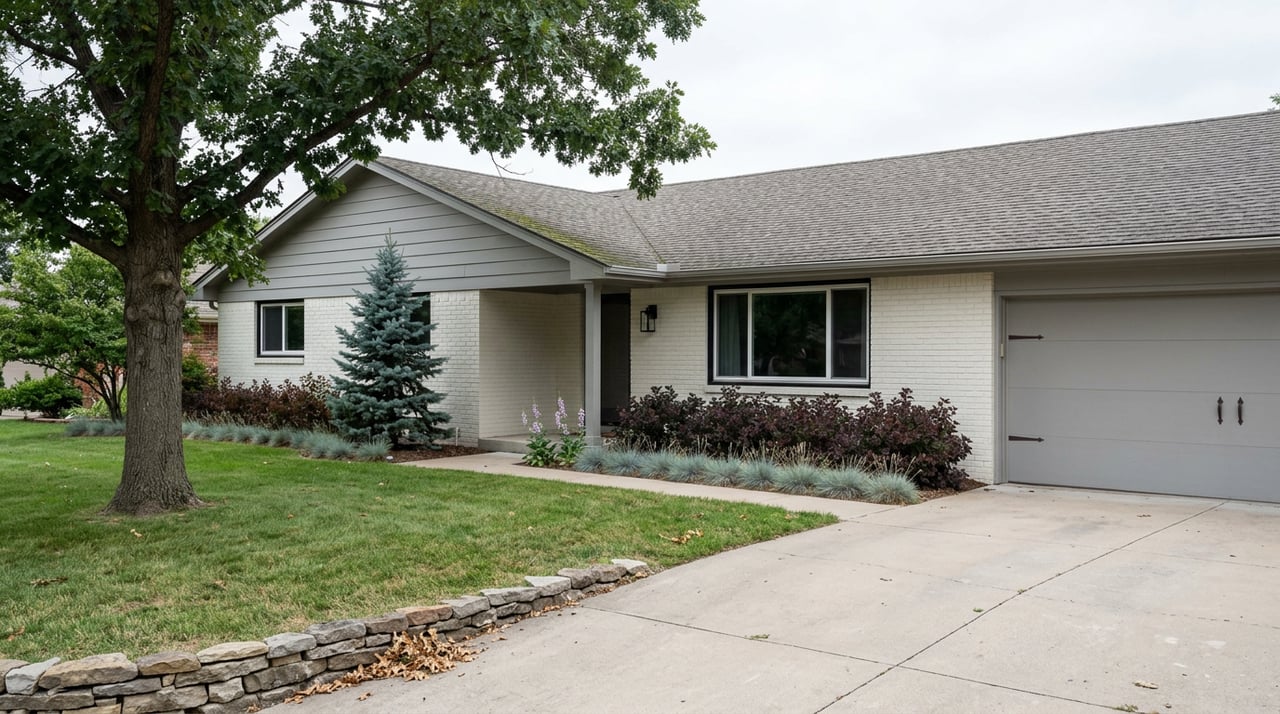
Picture two listings on the same Superior block, both around 2,400 square feet, both priced in the mid $700s. One went up in 2023 on a lot cleared by the Marshall Fire. The other survived the fire untouched, built sometime before 2015. On paper, they look like the same purchase. Pull an insurance quote on each address and the numbers stop matching. That gap, not the list price, is the thing worth understanding before you write an offer in Superior right now.
For years, buyers had no real way to see why. Insurers used wildfire risk scores to price policies, decline renewals, or push homeowners toward the surplus market, and homeowners had no legal right to see the score driving any of it. That changed on July 1, 2026.
What Changed on July 1
Colorado's House Bill 25-1182, signed by Governor Polis in May 2025, took effect this summer. It requires any insurer using a wildfire risk model to send homeowners a written annual notice showing their actual score, the mitigation discounts available to them, and a process for challenging a score they believe is wrong. Before this law, that information sat entirely with the carrier. A homeowner could watch a premium double at renewal with no explanation beyond "wildfire exposure" on the notice.
For a Superior buyer, this matters at the exact moment it used to be guesswork. You can now ask a seller, or ask your own agent to pull a quote, and get a specific number tied to a specific address rather than a general sense that "insurance is expensive out here." That specificity is new, and it is the reason this year's Superior market rewards buyers who ask the question early instead of during a ten-day inspection window.
Two Neighborhoods, Two Built Years
The reason the question even applies block by block in Superior traces back to December 30, 2021. The Marshall Fire destroyed 391 homes and three businesses in Superior alone, and it did not spare neighborhoods evenly. Sagamore lost all 172 of its homes. Coal Creek Crossing lost eight of its luxury properties. Everywhere else in town, the original housing stock from the 1970s, 80s, and 90s simply kept standing.
The result is a town where "built year" now carries more underwriting weight than it used to almost anywhere in Boulder County. A rebuilt home in Sagamore or Coal Creek Crossing typically comes with a Class A roof, updated electrical, and construction that meets 2021 energy code or better, since county data collected shortly after the fire found roughly 70 percent of submitted Superior rebuild permits targeted that higher standard. An original home two streets over may still carry the roof and systems it had in 2010. Insurers treat those two houses differently even when the tax record lists the same square footage.
This is also why comparing Superior to Louisville or Erie on median price alone misses something. The median doesn't tell you which of those homes are rebuilds and which are originals, and in Superior specifically, that split changes your actual monthly cost in a way it might not in a town the fire never reached.
The Insurance Math Listings Don't Show
Superior sits in the 80027 zip code, and insurers recalculated their entire risk model for that zip code after the fire. Properties that were never considered high risk before December 2021 got remapped into wildfire zones almost overnight. Newer construction with impact-resistant roofing tends to land near or below the statewide averages that have been climbing across Colorado, while older homes or homes in a mapped wildfire zone can run well above them, regardless of how well maintained they are.
The other number worth knowing before you shop is the ceiling on Colorado's insurer of last resort. If a carrier won't renew or won't write a new policy at all, the FAIR Plan is the backstop, and it caps dwelling coverage at $750,000 while paying claims on an actual cash value basis rather than full replacement cost. In a town where custom rebuilds have run well past that figure, homeowners who lost a builder's estimate near $850,000, as one Louisville family did just across the town line during their own rebuild, that gap between the FAIR Plan ceiling and what it actually costs to rebuild in Boulder County is not a rounding error. It is the difference between being made whole and covering a six-figure shortfall out of pocket.
None of this shows up on a listing sheet. It shows up in a quote, which is exactly why getting one early, now that HB25-1182 requires the score behind it to be disclosed, has become part of due diligence in Superior rather than an afterthought.
The Affordability Squeeze Behind the Rebuild
There's a second layer to this that shapes what inventory looks like at all. The homes the fire took in Superior were largely the town's older, naturally affordable stock, built in the 1930s through 1960s in the neighborhoods near town hall. Once that inventory burned, the land under it reset to today's prices, and today's construction costs came with it. Town officials have been candid about the result. As Stavros, a Superior staffer quoted in a Denver7 follow-up piece marking four years since the fire, put it, affordable housing in Superior "doesn't really exist" the way it once did.
The town is responding on two fronts. Superior received a $225,000 grant from the Colorado Department of Local Affairs, matched with $75,000 of its own funds, to encourage accessory dwelling units on rebuilt lots, complete with preset designs and waivers aimed at bringing back Marshall Fire survivors who have been priced out. Separately, the nonprofit Impact Development Fund has acquired eight infill lots in Superior and plans to begin building on them in 2026, funded in part by the final grants from the Boulder County Wildfire Fund, which raised more than $43 million from roughly 82,000 donors after the fire.
Both efforts are worth watching if you're comparing Superior to a neighboring town on price alone, because they're aimed at closing a gap the fire created rather than one that existed before it. For now, though, they are still in progress, which means most of what's on the market today is either an original home carrying its original systems or a rebuild carrying a newer set of costs, insurance included.
What to Ask Before You Write an Offer
A few questions travel well in this market, whether you're comparing a Superior listing to one in Louisville or just comparing two houses on the same Superior street:
- Was this home rebuilt after December 2021, and if so, to what energy code?
- Has the seller received a wildfire risk score notice under HB25-1182, and would they share it?
- Is the current policy with a standard carrier or has it moved to the FAIR Plan or a surplus lines policy?
- What would full replacement cost run today, and does the current coverage limit actually reach it?
None of these questions will show up in the listing description. All of them affect what you'll actually pay to own the home.
A Few Common Questions
Does HB25-1182 lower my insurance premium? No. It requires insurers to show you the score and the mitigation discounts tied to it. It does not cap prices or guarantee a lower bill, but it gives you something to act on instead of a number you can't see.
Is every home in Superior harder to insure now? Not uniformly. Newer construction with modern roofing and updated systems is often easier to place with a standard carrier than an older home in the same zip code, which is part of why built year matters more here than it might elsewhere.
Should I rule out an original, unrebuilt home in Superior? Not necessarily. It just means the insurance conversation needs to happen earlier in your search rather than after you're already under contract.
Superior's rebuild has moved fast by any measure, but the fine print that comes with it, insurance chief among it, is still working itself out street by street. If you're weighing a Superior listing against something in Louisville, Erie, or Longmont, or trying to figure out what a specific address will actually cost to insure before you write an offer, The Patrick Dolan Team can walk the comps and the coverage math with you side by side. What's my home worth?